
Our company has been honored with the Circuits Assembly New Product Introduction Award for 2026, presented by Circuits Assembly. This prestigious recognition highlights innovative products that bring significant advancements to the electronics manufacturing industry. The New Product Introduction (NPI) Awards celebrate the most innovative equipment, materials, and software introduced to the market over the past […]
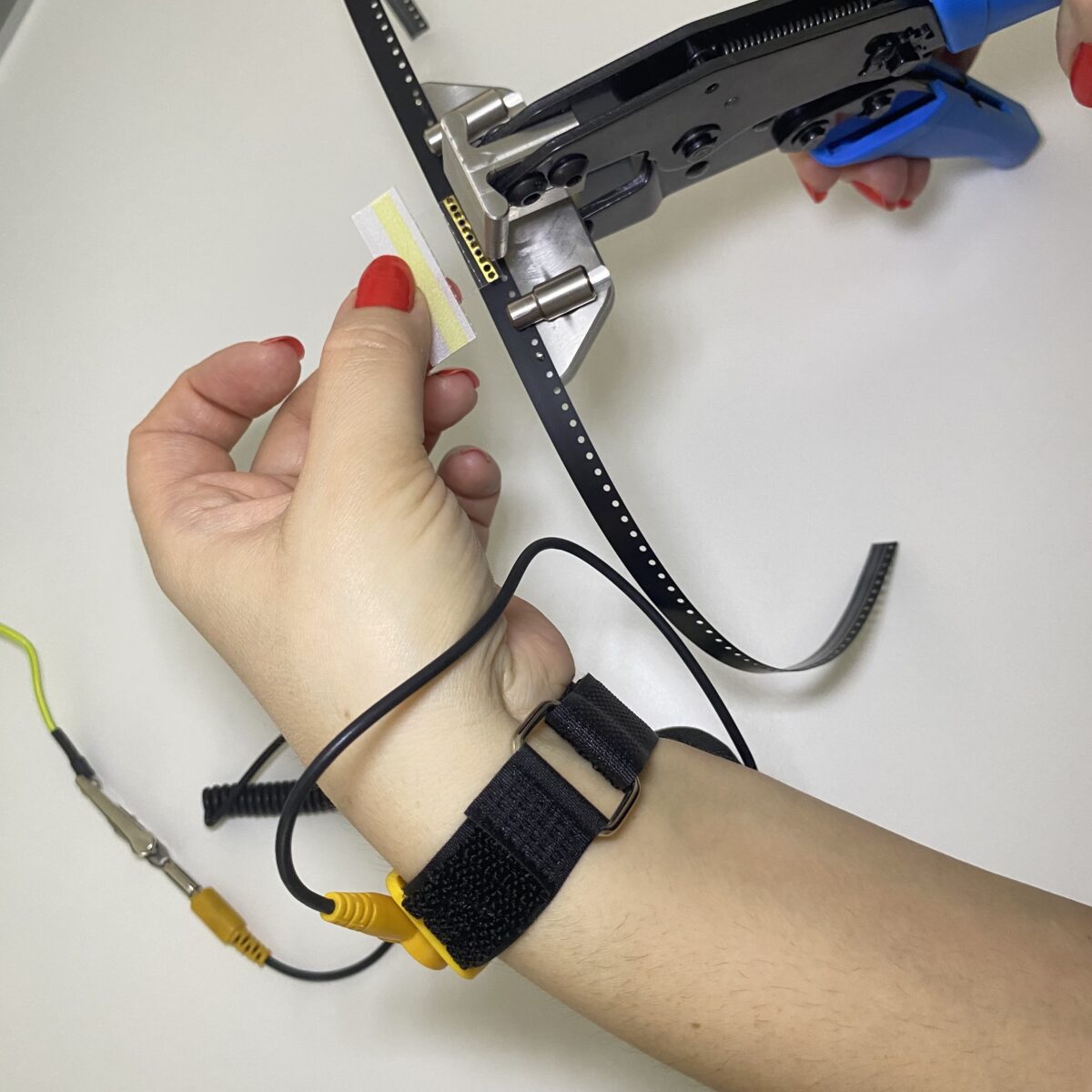
Electrostatic discharge (ESD) is commonly associated with human handling, but in modern SMT environments, a significant percentage of ESD events occur mechanically—inside feeders, during tape advancement, indexing, and component presentation. As carrier tape moves through a feeder, it experiences continuous friction against guide rails, drive sprockets, peel-off points, and cover tape separation mechanisms. Each of […]
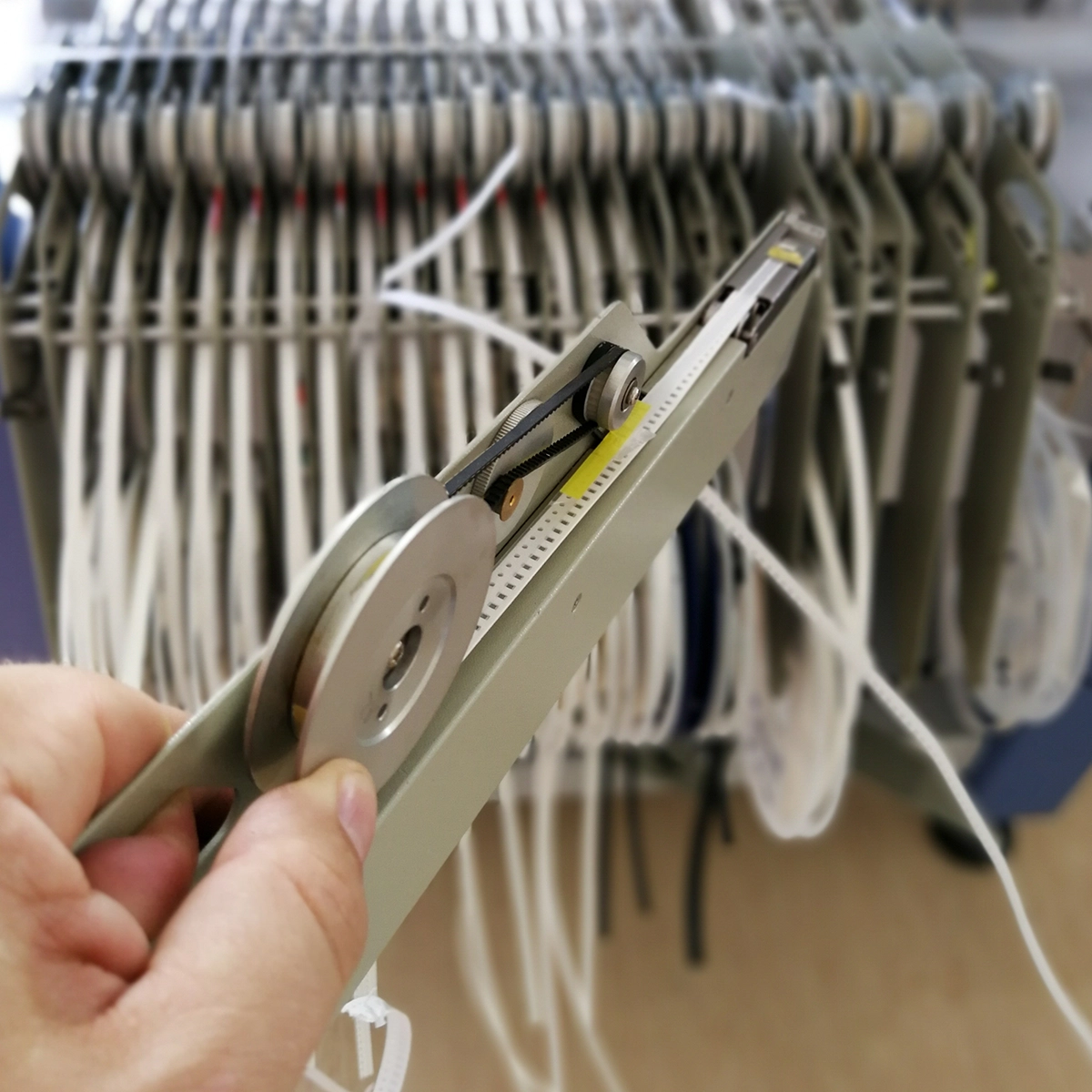
SMT feeder errors are often diagnosed at the feeder or placement head, but in many cases the root cause originates earlier in the process at the tape splice. SMT tape splicing introduces a mechanical and optical discontinuity into an otherwise uniform carrier tape system. When this discontinuity is poorly controlled, it can trigger feeder mis-picks, […]
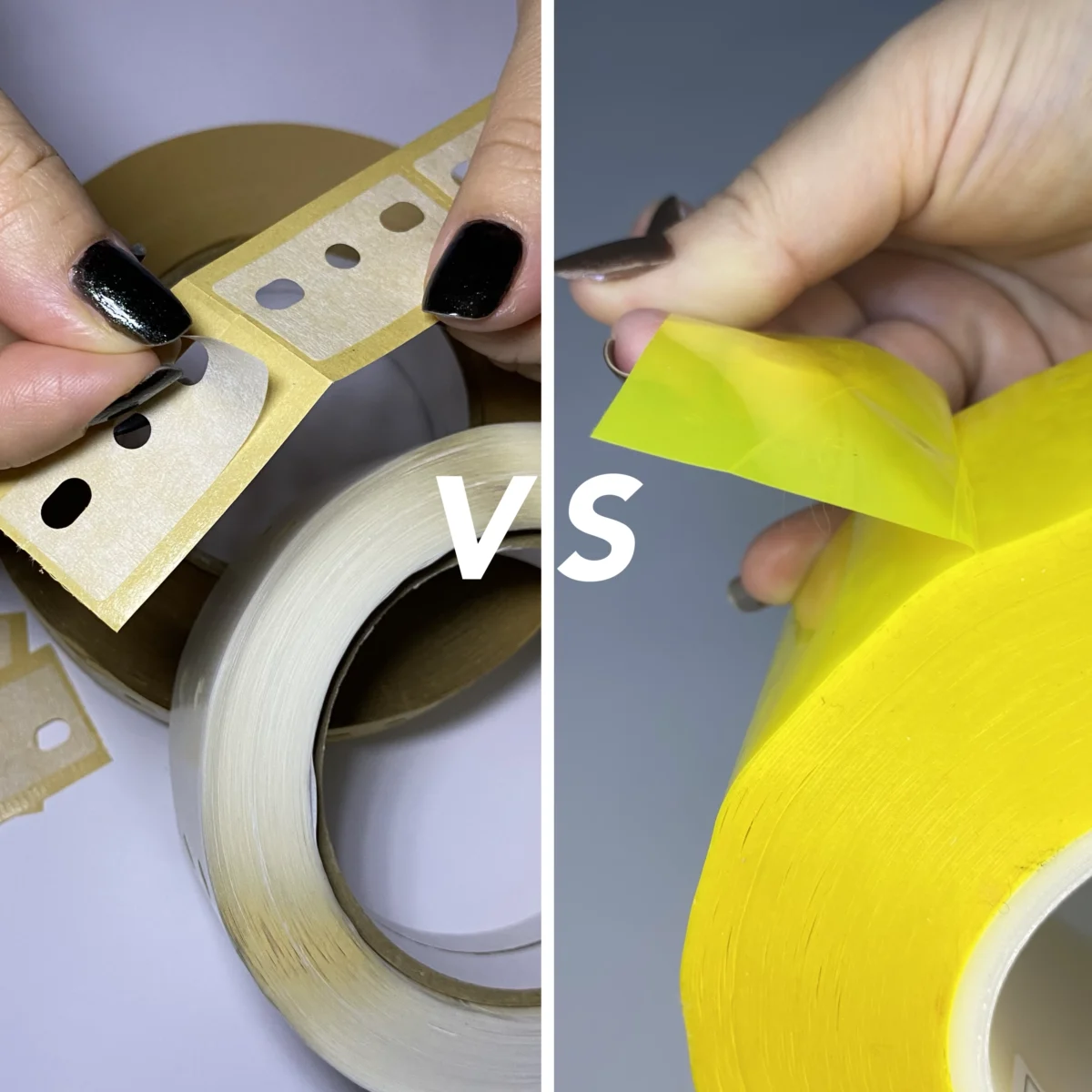
The choice between polyester SMT splice tape and paper-based splice tape plays a significant role in feeder reliability, splice consistency, and long-term production stability. As SMT assembly lines increase in speed and complexity, tape material selection becomes an important factor in reducing feeder-related interruptions. Dimensional Stability Comparison Dimensional stability is critical for maintaining consistent pocket […]
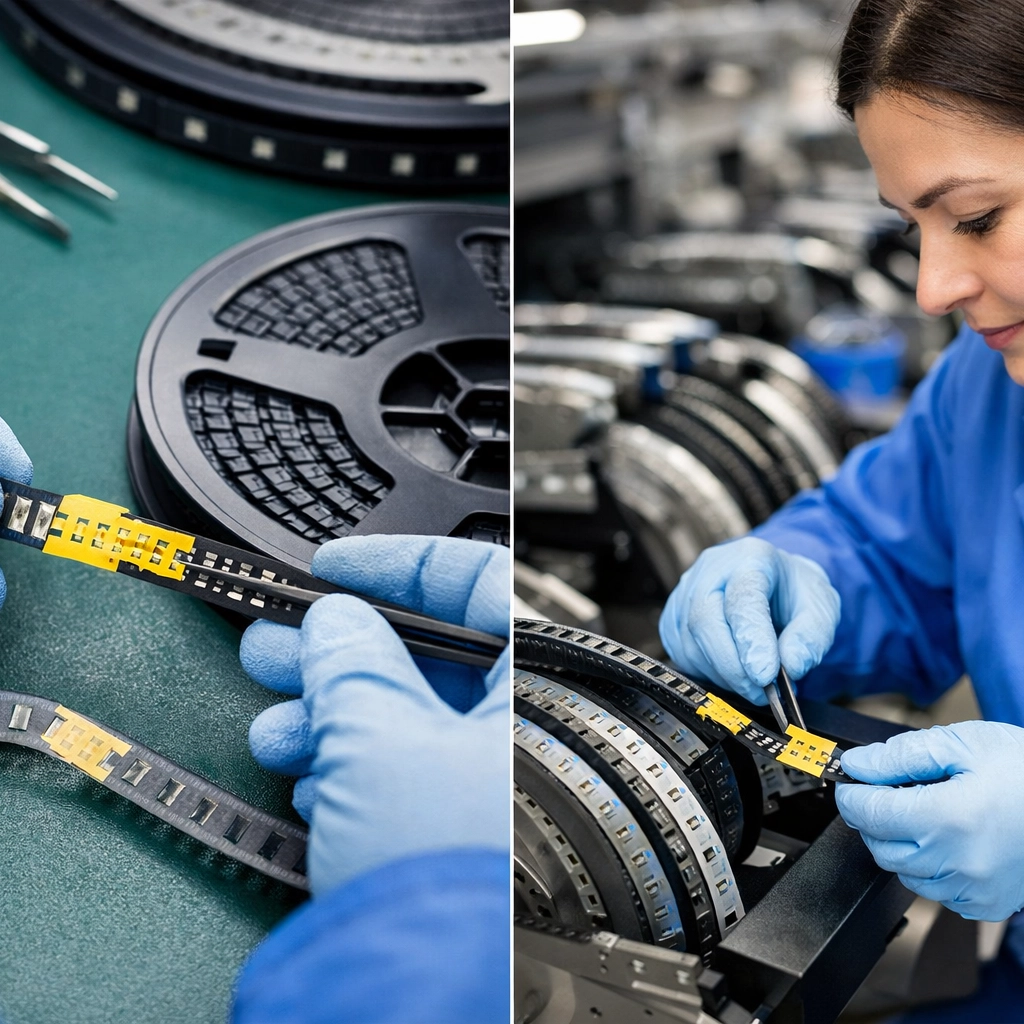
Flying Splices at Full Speed There’s a moment on a high-speed SMT line that raises your heart rate instantly. The machine is running flat out. 40,000 components per hour. Feeder bank packed. Hundreds of reels advancing in perfect mechanical rhythm. And then… a reel is about to run out. No alarms. No drama. Just an […]
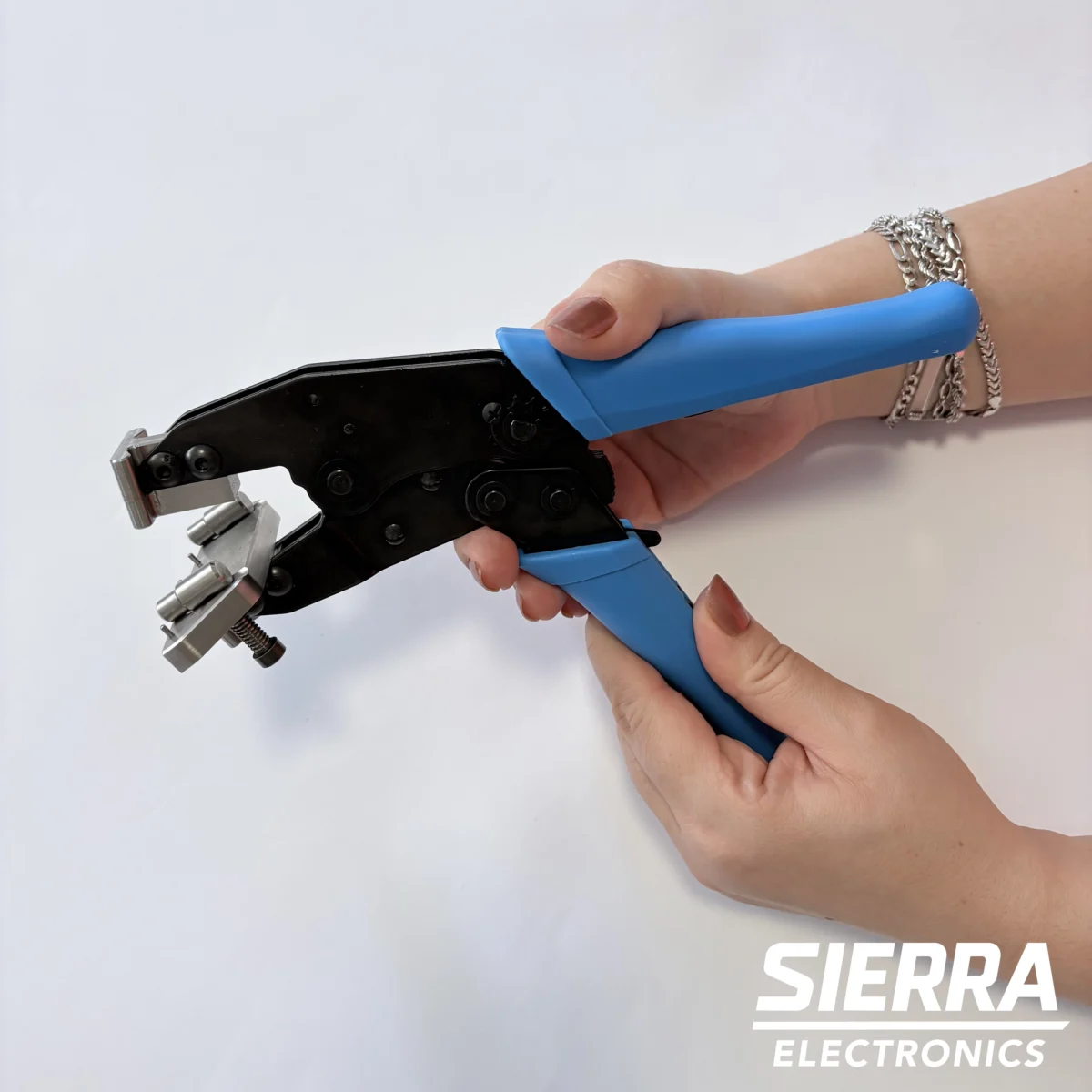
Choosing the correct SMT tape splicer tool has a direct impact on feeder stability, splice consistency, and overall SMT line efficiency. Different production volumes place different demands on SMT splicing equipment, making tool selection a critical factor in maintaining predictable assembly performance. Manual vs Guided Splicing Tools Manual SMT tape splicer tools depend entirely on […]

In aerospace and defense electronics assembly, high-reliability SMT processes are non-negotiable. Every splice in carrier tape must meet stringent requirements to ensure consistent placement, minimize feeder errors, and maintain traceability throughout mission-critical builds. 1. Reliability Expectations in Mission-Critical Builds Aerospace and defense electronics demand components that perform flawlessly over extended lifecycles. Even minor splice inconsistencies […]
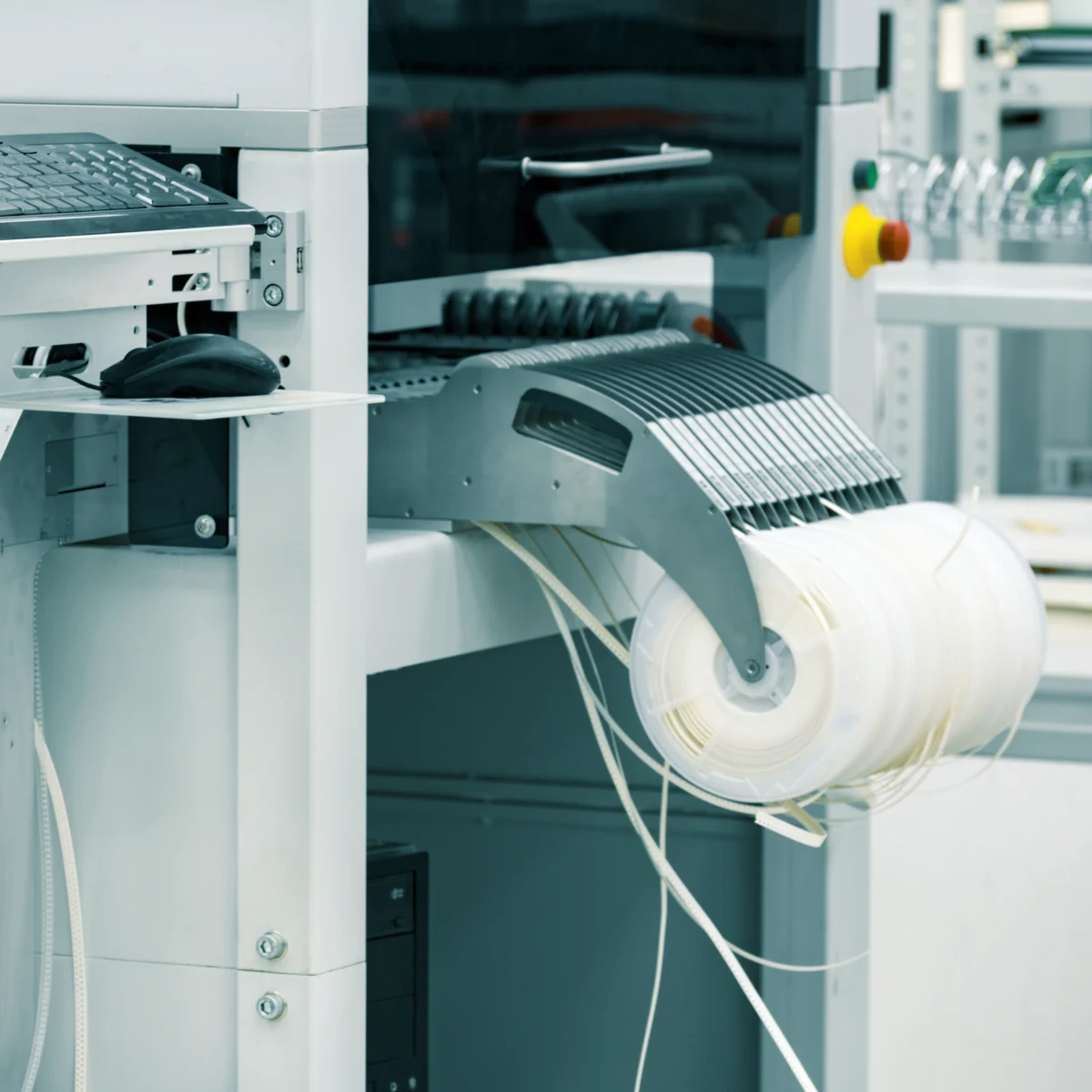
In SMT assembly, scrap and rework are often attributed to placement accuracy, solder paste deposition, or component quality. However, one of the most persistent and underreported contributors to yield loss is poor tape splicing. Splice related defects typically occur upstream of placement and are frequently misdiagnosed as feeder or machine issues rather than process problems […]

In surface-mount technology (SMT) production, tape splicing is a routine operation that directly influences feeder reliability, placement accuracy, and overall line uptime. Two primary methods are used in modern assembly environments: standard splicing and flying splicing. While both techniques serve the same functional purpose—joining two carrier tapes—the mechanical, operational, and risk profiles of each method […]
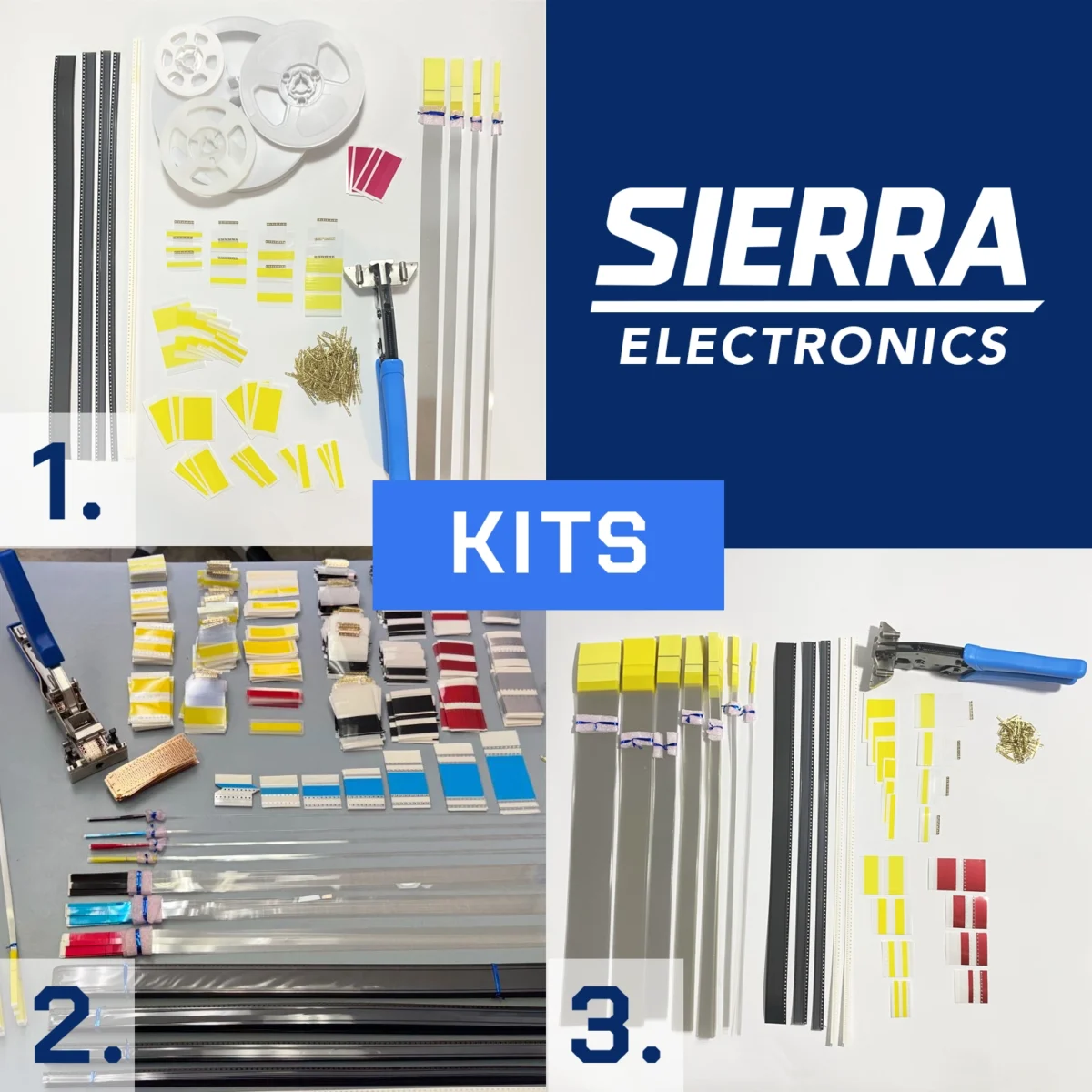
In high-volume electronics manufacturing and SMT assembly, even a single open splicing problem can lead to line stoppages, feeder misfeeds, or wasted components. Splicing kits eliminate these issues by giving operators the right combination of tools, tapes, and consumables to extend reels, join tapes, and maintain production continuity with confidence. At TapeSplice.com, we offer three […]