
Surface Mount Technology (SMT) is a cornerstone of modern electronics, enabling the creation of compact and efficient devices.
SMT involves mounting components directly onto the surface of printed circuit boards (PCBs), in contrast to traditional through-hole technology (THT).
The advantages of SMT include reduced size and weight of electronic devices, as well as compatibility with automated production processes that enhance efficiency and precision.
Understanding SMT is essential for professionals in electronics manufacturing and beneficial for students and hobbyists interested in electronics assembly.
This article provides insights into SMT, its applications, and related terminologies. Stay updated on the latest trends and developments in this dynamic field.
Surface Mount Technology (SMT) revolutionized the electronics industry. Unlike traditional methods, SMT mounts components directly onto PCBs, enabling a more streamlined and efficient manufacturing process.
The importance of SMT lies in its efficiency and versatility. It accommodates the miniaturization of components, enabling smaller and lighter devices used across consumer electronics, automotive industries, and telecommunications.
SMT supports high-speed automated assembly, reducing production time and lowering costs, which enhances competitive advantage in the market.
Additionally, SMT improves electrical performance by minimizing signal path lengths on PCBs. It enables higher circuit densities, which are essential for modern electronic devices.
Key Features of SMT
As technology continues to evolve, SMT remains indispensable, fostering innovation across numerous sectors and pushing the boundaries of what is achievable in electronics manufacturing.
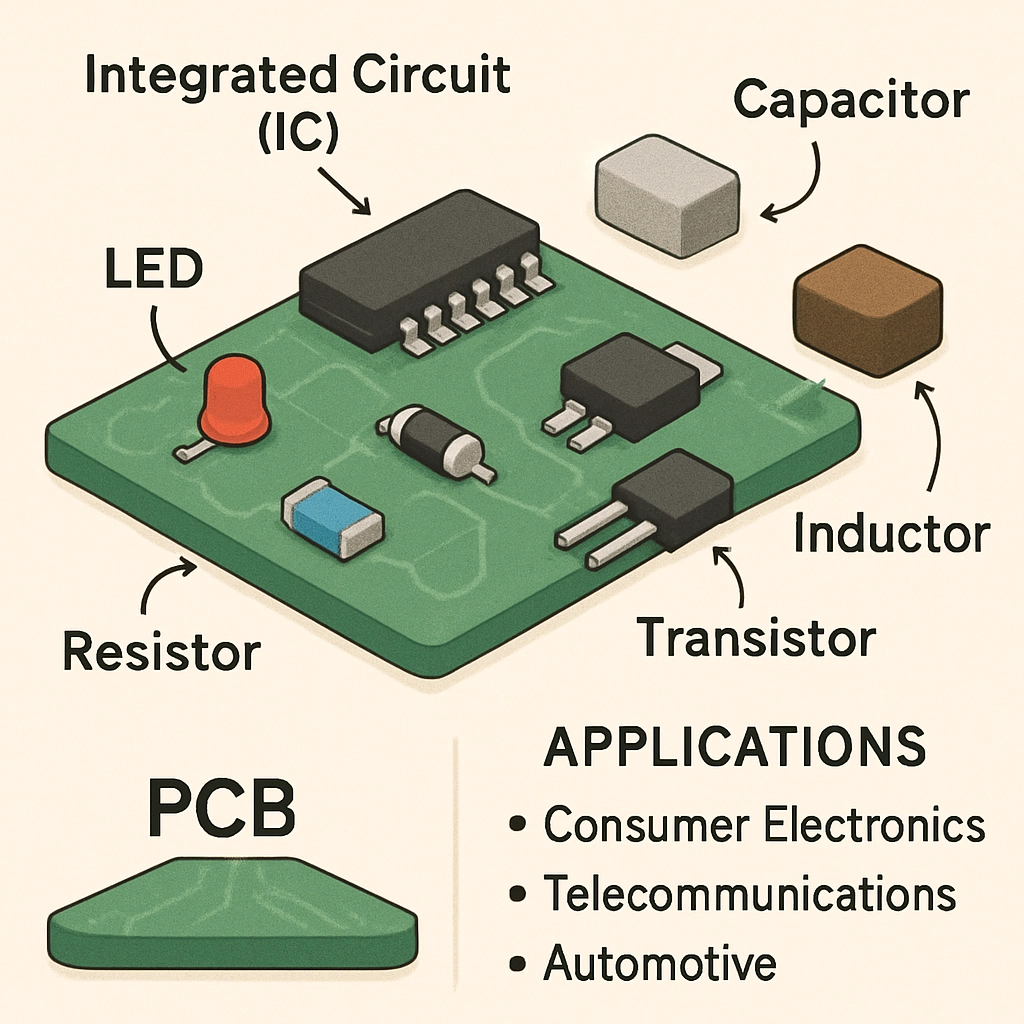
Understanding the distinctions between SMT, SMD, and THT is crucial. SMT refers to the assembly process, while SMD represents the actual components used in this process. In contrast, THT involves inserting components through holes in PCBs.
SMT is preferable for compact and densely packed boards. It enables automated, high-speed production, which reduces costs. On the other hand, THT provides better mechanical support, making it beneficial where components face physical stress or vibration.
While SMT is widespread in consumer electronics, THT remains vital for specific industrial applications, including products requiring high durability, such as military and aerospace equipment.
Comparison of SMT, SMD, and THT
As technology evolves, both SMT and THT maintain unique roles, together providing comprehensive solutions for diverse electronics manufacturing needs.
The SMT process is a sophisticated technique that transforms raw materials into functional electronic assemblies efficiently and precisely. The journey begins with solder paste application on PCB pads.
This paste is a mixture of tiny metal balls and flux, ensuring strong electrical connections. Next, automated machines place SMDs onto the PCB, aligning them accurately with the solder paste.
Following placement, the boards enter a reflow soldering oven. Controlled heat melts the solder paste, binding the components securely. Each step is carefully monitored to prevent defects and ensure high quality.
Key Stages of the SMT Process
This process is pivotal for modern electronics production. It enables the creation of compact, reliable devices. Automation enhances efficiency, improving both speed and consistency.
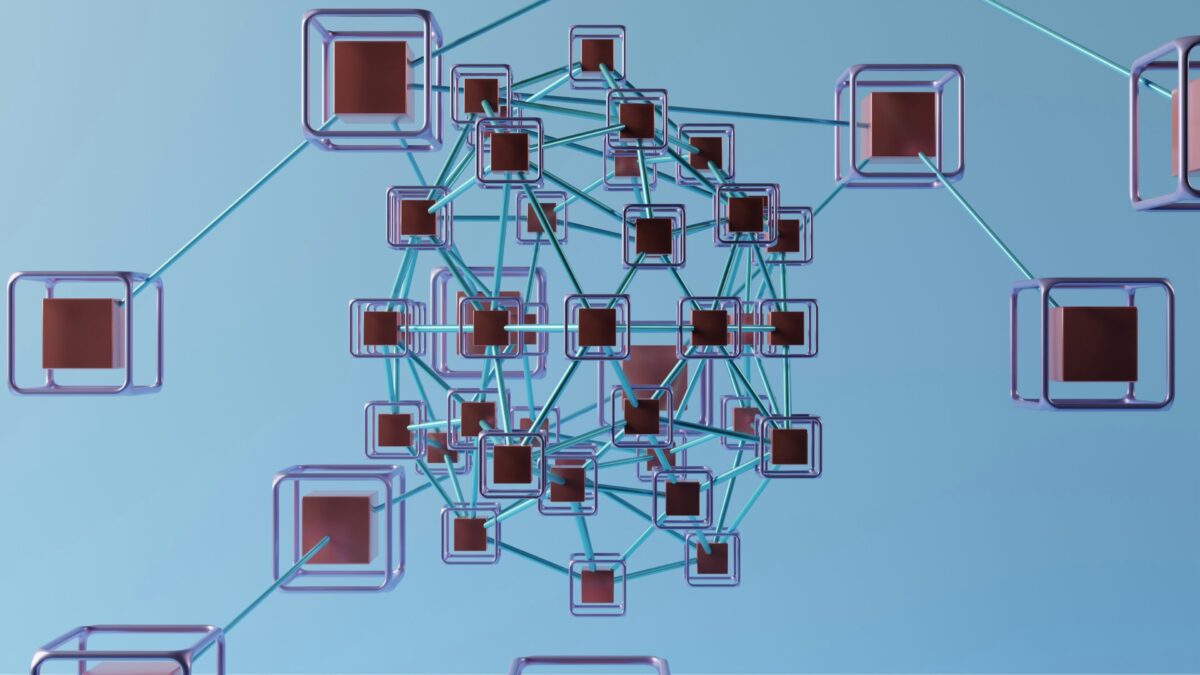
SMT tracking is critical in modern electronics manufacturing. It involves monitoring the entire SMT process to maintain high standards. By tracking each step, manufacturers ensure the quality and efficiency of their products.
Tracking systems help identify bottlenecks and optimize production. They utilize advanced software to oversee component placement and soldering accuracy. This data-driven approach reduces errors and material waste.
Key Elements of the SMT Tracking Process
Effective tracking mitigates production delays and enhances product reliability. Real-time insights allow immediate corrective actions, minimizing defects. This leads to better customer satisfaction and lower production costs.
Implementing SMT tracking fosters an environment of continual improvement. It aligns with industry trends toward automation and efficiency. As technology advances, tracking systems will continue to evolve and integrate with newer innovations.
Surface Mount Technology (SMT) is vital in producing today’s advanced electronics. It enables compact, reliable devices by mounting components directly on PCBs. This is essential for modern gadgets like smartphones and wearables.
The use of SMT spans across many industries, including automotive and telecommunications. It is instrumental in creating lighter, more efficient electronic systems. Automotive electronics benefit from SMT by achieving higher levels of integration in smaller spaces.
Industry trends show a growing shift toward automation in SMT processes. Machines now handle most of the component placement and soldering tasks. This automation increases speed and precision, resulting in cost savings.
Current Applications of SMT
SMT’s role continues to expand with the rise of IoT devices. The technology’s capability to produce dense, reliable circuits positions it as key to future innovations.
Surface Mount Technology (SMT) is not only a technical term. It appears in various contexts beyond electronics. Understanding these meanings can prevent confusion.
In texting and social media, “SMT” often stands for “something” or “someone.” It is shorthand used in casual communication. On platforms like Instagram, this abbreviation is popular for quick exchanges.
Slang meanings for SMT can vary significantly depending on the context. It may also imply “send me that,” particularly among close friends. These interpretations highlight the fluidity of modern language.
The term “SMT” also has significance in the gaming world. It stands for the Shin Megami Tensei series, a franchise well known for its complex storytelling and depth.
Common Usages of SMT
Recognizing these different meanings of SMT enhances communication and understanding across diverse areas.
The Shin Megami Tensei (SMT) series is a prominent name in role-playing games. Known for its deep narratives and strategic gameplay, it remains a favorite among gamers worldwide. The franchise blends mythology, philosophy, and modern issues into its stories.
Shin Megami Tensei games are renowned for their difficulty and character development. Players face complex moral decisions that significantly influence the outcome, making each playthrough unique.
Beyond storytelling, the series captivates with intricate mechanics and battles. Monster recruitment and fusion systems are hallmarks of many SMT titles, providing strategic depth and replay value.
Notable Titles in the SMT Series

Exploring the Shin Megami Tensei games offers a journey into a rich and complex universe. Whether you are a seasoned gamer or new to the series, SMT provides a rewarding experience with every title.
Logos play a crucial role in branding within both technology and gaming sectors. They symbolize innovation and identity. In Surface Mount Technology, logos often reflect precision and efficiency.
For SMT technology, logos can incorporate elements showcasing circuit patterns or electronic components. This symbolism emphasizes the technical side of the industry. The designs are typically sleek and modern.
In the gaming world, the SMT series logo stands out with its iconic motifs and distinctive lettering. It conveys the franchise’s unique blend of mythology and storytelling, attracting gamers and fans alike.
Key Elements Often Found in SMT Logos
In both contexts, SMT logos serve to enhance brand recognition and establish credibility. They uniquely merge style and function, appealing to diverse audiences in electronics and gaming.
The evolution of SMT technology and gaming involves various iterations, particularly SMT II, SMT V, and SMT V V. Each represents advancements and updates.
In technology, SMT II may highlight newer methods or equipment, enhancing efficiency. It represents the progression of the industry towards streamlined production processes and advanced capabilities.
For gaming, SMT V and SMT V V refer to entries in the popular Shin Megami Tensei series. These versions offer fans new stories, improved graphics, and refined gameplay mechanics. They sustain the franchise’s legacy by constantly innovating and expanding its universe.
Key Distinctions Between Iterations
Understanding these iterations helps grasp their impact on both modern manufacturing and the gaming community. Each marks growth and continuous enhancement in their respective fields.
For those eager to dive deeper into SMT, numerous resources are available. These resources provide extensive information on both the technological aspects and the Shin Megami Tensei series. They are essential for anyone looking to expand their knowledge and stay updated with the latest developments.
To enhance your understanding, consider exploring:
Surface Mount Technology continues to shape the electronics industry, driving innovation and efficiency. With its advantages in size, cost, and automation, SMT is poised to remain a vital component in electronics manufacturing.
As technology evolves, staying informed about advancements in SMT is crucial. Understanding its applications and trends equips professionals and enthusiasts with the necessary insights for success in this rapidly changing field.