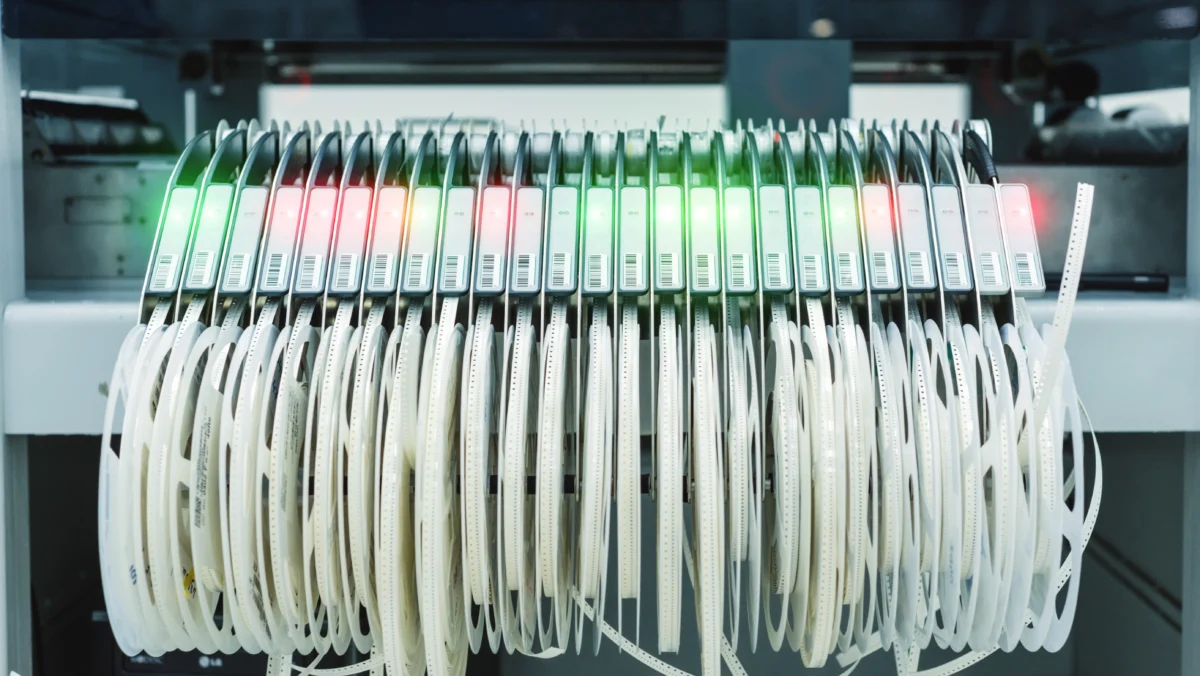
In SMT assembly, scrap and rework are often attributed to placement accuracy, solder paste deposition, or component quality. However, one of the most persistent and underreported contributors to yield loss is poor tape splicing. Splice related defects typically occur upstream of placement and are frequently misdiagnosed as feeder or machine issues rather than process problems originating at the splice point.
Tape splicing errors introduce mechanical inconsistencies that propagate through the feeder system, directly affecting component presentation, pocket stability, and indexing accuracy. These issues often manifest as dropped components, mis-picks, skewed placements, or intermittent feeder stoppages that disrupt production flow and increase rework rates.
When a splice is poorly executed, the most immediate impact is on component retention within the carrier tape pockets. Misaligned carrier tapes can distort pocket geometry at the splice junction, reducing the pocket’s ability to securely hold components during advancement.
As the feeder indexes past a defective splice, components may shift, rotate, or lift within the pocket. This instability increases the likelihood of components being dropped before reaching the pick location or being presented at an incorrect orientation. In many cases, the feeder continues operating without triggering an error, allowing defective placement conditions to persist undetected across multiple cycles.
Dropped components are often written off as random losses, yet repeated occurrences frequently trace back to splice geometry issues rather than component packaging defects.
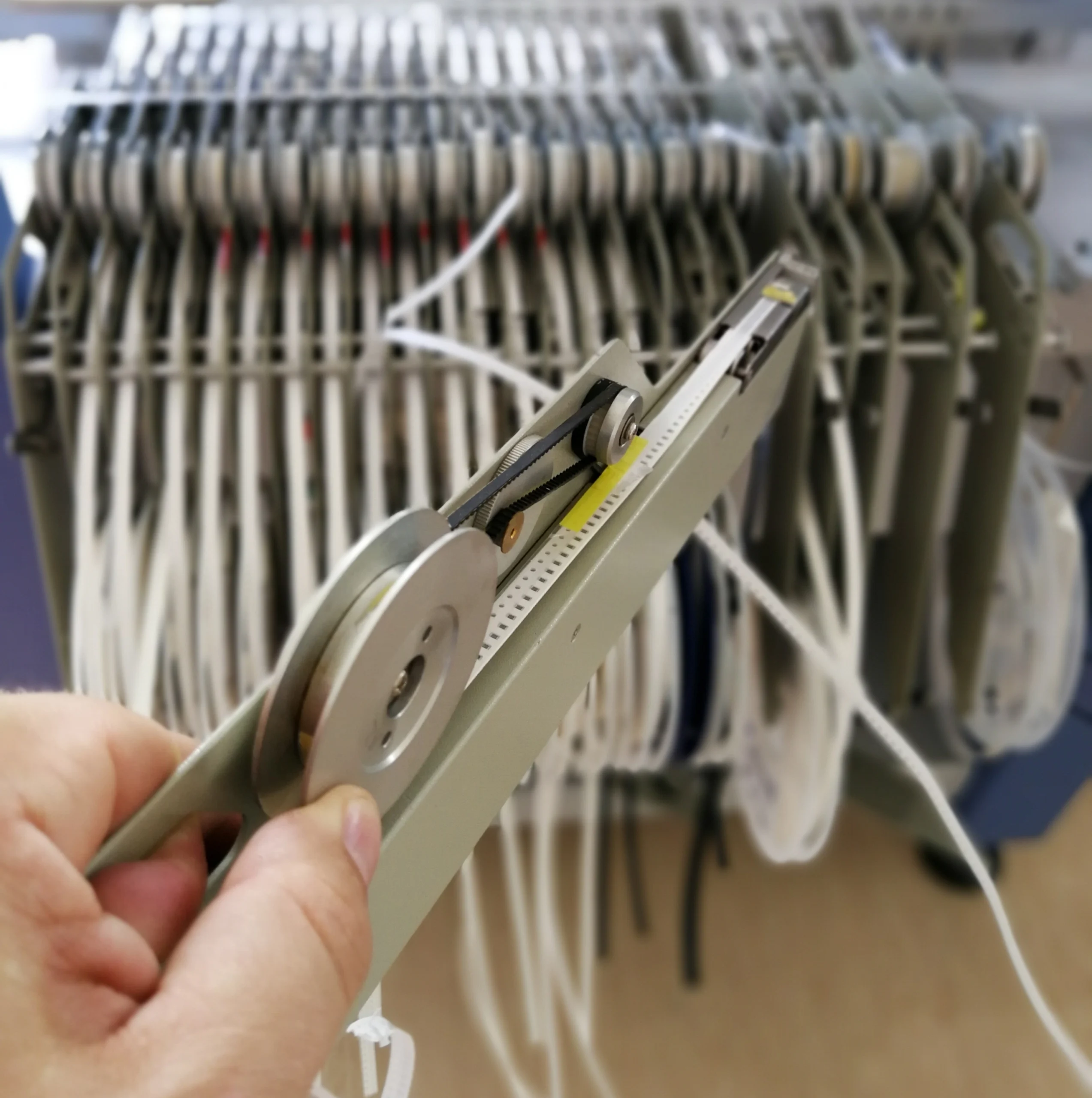
Cover tape alignment is a critical but often overlooked element of tape splicing. Improper overlap or uneven adhesion at the splice point can alter the peel angle and peel force as the tape advances through the feeder.
When cover tape separation becomes inconsistent, components may be partially exposed before reaching the pick point or remain partially covered during pickup. Both scenarios increase the probability of mis-picks and placement errors.
Partial exposure can cause components to dislodge prematurely, while excessive adhesion can lead to pick head interference or nozzle contamination. These conditions often result in boards requiring manual inspection or rework, increasing labor costs and cycle time.
Unlike discrete machine faults, splice related issues tend to degrade progressively rather than failing catastrophically. A splice that is slightly misaligned may pass initial inspection and function acceptably for several feeder advances before problems become apparent.
As the splice travels through the feeder mechanism, small deviations in thickness or alignment can worsen due to mechanical stress. This gradual degradation increases the likelihood of intermittent errors that are difficult to trace and even harder to reproduce during troubleshooting.
Because these failures do not always present as immediate stoppages, they often contribute to silent scrap accumulation—boards that fail downstream inspection due to missing or misaligned components without an obvious root cause.
The cost of scrap and rework resulting from poor splicing often exceeds the perceived savings of using low cost splice consumables. While splice tapes and tools represent a small fraction of overall production costs, their influence on yield is disproportionately large.
Low-quality splice tapes may exhibit inconsistent adhesive thickness, variable peel strength, or dimensional instability. These characteristics introduce variability at the splice point that directly affects feeder performance and component handling.
When scrap rates increase by even a small percentage due to splice related defects, the cumulative financial impact can surpass the cost difference between commodity splice materials and precision-engineered alternatives.
Rework is not limited to the cost of replacing defective components. Each reworked board consumes additional labor, inspection time, and machine capacity that could otherwise be allocated to new production.
Splice-related defects often require manual intervention to correct feeder issues, reload components, or verify placement accuracy. These interruptions reduce effective throughput and increase operator workload, further compounding production inefficiencies.