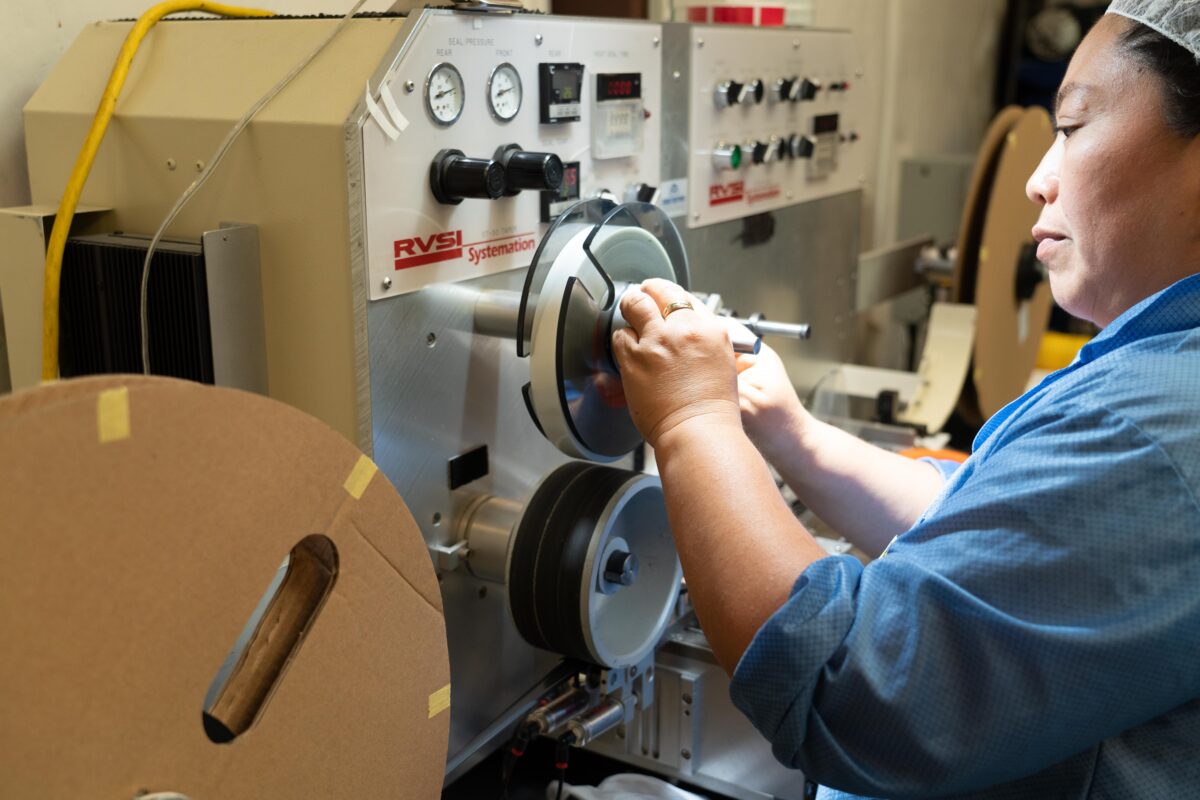
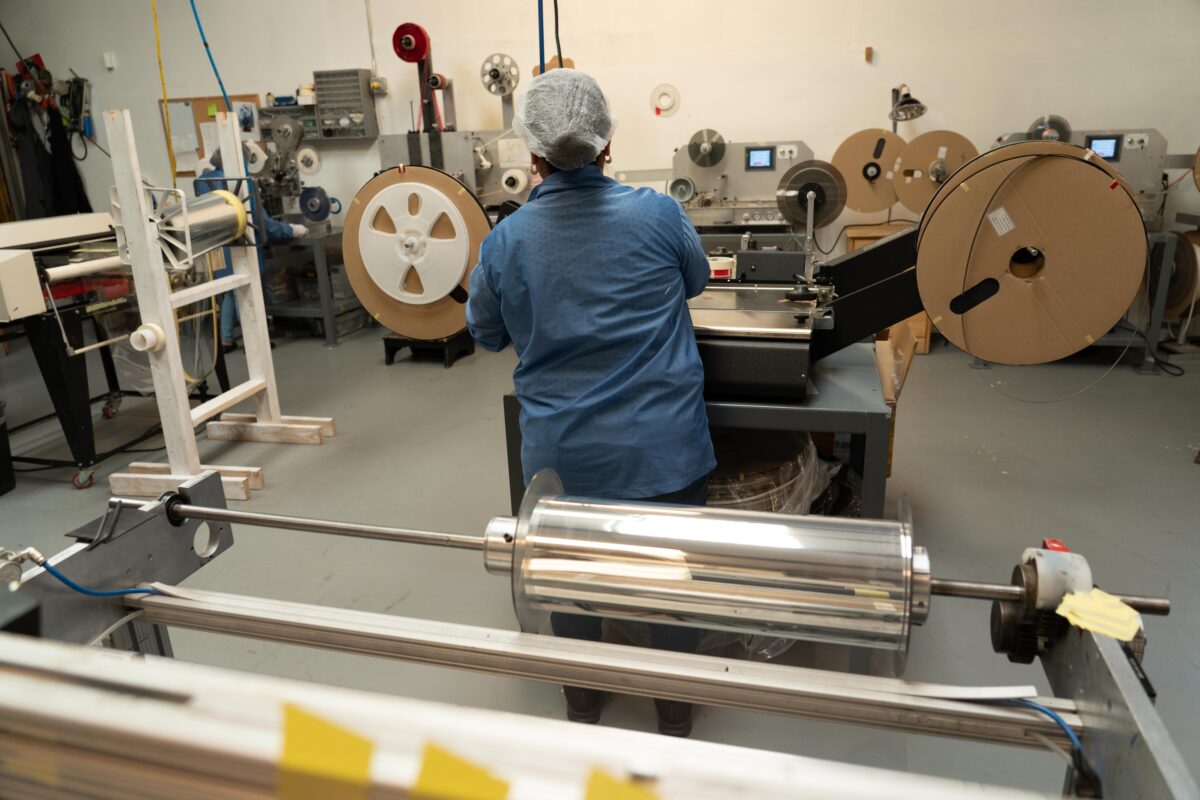
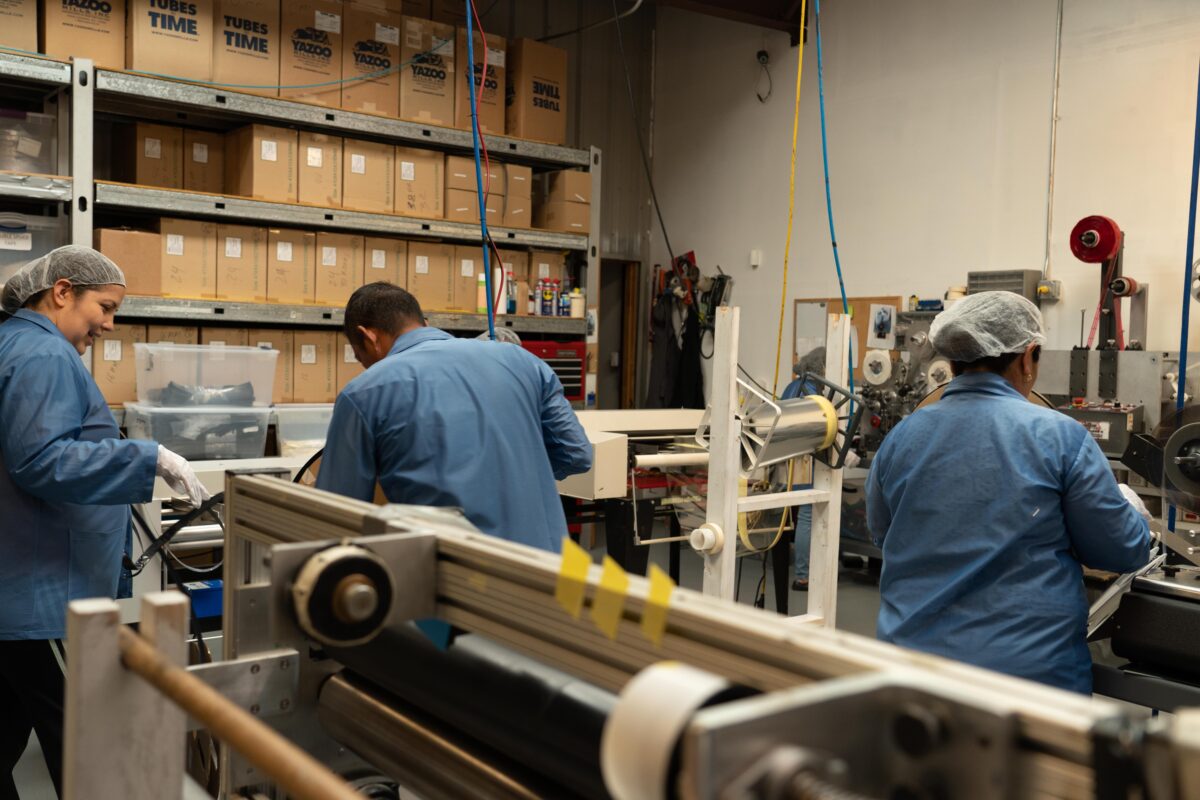
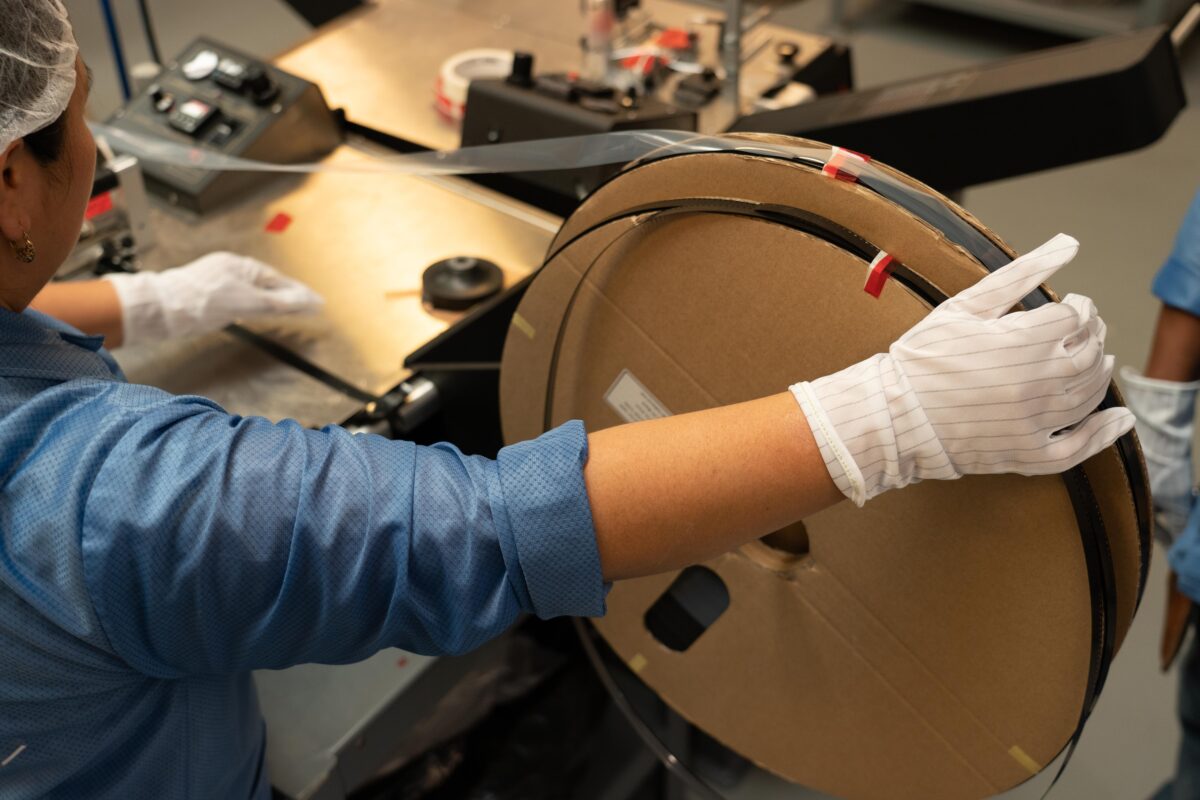
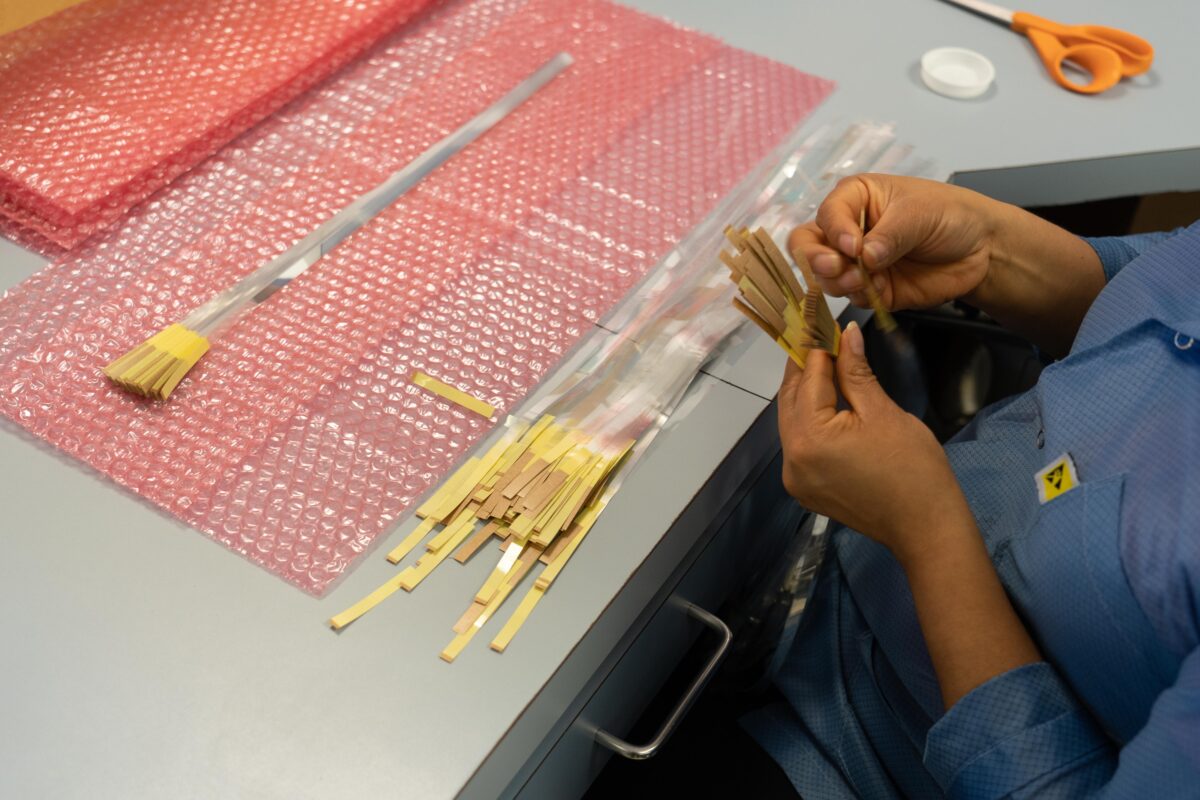
A true SMT splicing manufacturer designs, produces, tests, inventories, and ships splice tools, splice tapes, and SMD reels from its own facility, whereas most companies in the SMT splicing market resell or private-label products manufactured elsewhere.
In surface-mount technology (SMT) assembly, splice tools, splice tapes, and component reels are precision consumables that directly affect feeder reliability, placement accuracy, and line uptime. Despite appearing similar at the point of use, there is a fundamental distinction between manufacturers and resellers in this category.
A manufacturer controls the physical production process: material selection, tooling, tolerances, quality assurance, and fulfillment. A reseller or private-label brand sources finished goods from third-party factories and distributes them under its own branding without direct involvement in fabrication.
How SMT Splice Tools Are Manufactured
SMT splice tools are mechanical alignment devices designed to cut, register, and join carrier tape while maintaining pitch accuracy defined by ANSI/EIA-481.
Manufacturing steps typically include:
- Precision machining of alignment plates
- Tool steel or hardened alloy selection
- Tolerance control for tape pitch and hole registration
- Mechanical assembly and calibration
- Functional testing with live carrier tape
Only companies that own their tooling and machining processes can revise designs, control tolerances, or validate performance internally.
How SMT Splice Tape Is Manufactured
SMT splice tape production requires tightly controlled material and process parameters to ensure consistent performance under dynamic feeder loads.
Key manufacturing requirements include:
- Controlled adhesive formulation
- Carrier film thickness control
- Reinforcement integration (shims, clips, brass inserts)
- Peel, shear, and tension testing
- Consistency across widths (8mm–72mm)
Resellers typically purchase finished rolls from overseas converters and have limited visibility into adhesive chemistry, reinforcement methods, or batch-to-batch variation.
How SMD Reels Are Manufactured
SMD reels are not generic packaging components. They are engineered parts that must perform reliably under continuous mechanical stress on the SMT line.
SMD reels must:
- Maintain dimensional stability under feeder tension
- Meet ANSI/EIA-481 reel hub and flange specifications
- Withstand repeated loading and unloading cycles
Manufacturing typically involves:
- Injection molding
- Tooling ownership
- Resin selection
- Dimensional inspection
- Lot traceability
Resellers do not control mold design, resin formulation, or production tolerances, limiting their ability to influence mechanical performance.
| Category |
Manufacturer |
Reseller / Private-Label |
| Tool design |
In-house |
External supplier |
| Tooling ownership |
Yes |
No |
| Adhesive formulation |
Controlled |
Unknown / vendor-defined |
| Reel molds |
Owned |
Outsourced |
| Tolerance control |
Direct |
Indirect |
| QA testing |
Internal |
Supplier-reported |
| Traceability |
Full |
Limited |
| Inventory |
Stocked on-site |
Drop-shipped or imported |
| Fulfillment |
Same facility |
Third-party logistics |
Why This Distinction Matters on the SMT Line
Manufacturing control directly affects critical production outcomes, including:
- Feeder indexing accuracy
- Tape tracking stability
- Splice reliability at high placement speeds
- Downtime risk during reel changeovers
- Long-term consistency across builds
When a defect occurs, a manufacturer can identify root cause and implement corrective action internally. A reseller must rely on offshore suppliers, often facing long lead times and limited process transparency.
Visibility and Verification
One of the most reliable ways to distinguish manufacturers from resellers is through operational transparency.
A true manufacturing operation typically demonstrates:
- Physical factory presence
- Production equipment
- Raw material inventory
- Finished goods stock
- Packing and shipping departments
- Same-day or next-day fulfillment capability
Resellers, by contrast, often provide only product images and catalog listings without verifiable evidence of production facilities, in-house tooling, or inventory control.
Common Misconceptions
“If it has a brand name, it must be made by that company.”
Many SMT consumables are private-labeled imports, where branding does not indicate ownership of tooling, manufacturing, or process control.
“All splice tools work the same.”
In reality, small deviations in pitch alignment and tape registration can compound under feeder acceleration, leading to misfeeds and placement errors at scale.
“Availability equals manufacturing.”
Simply stocking inventory does not imply production capability, design authority, or the ability to implement corrective actions when failures occur.
Technical constraints and standards
SMT splicing products are governed by:
- ANSI/EIA-481 (carrier tape and reel dimensions)
- IPC guidelines for electronic assembly
- JEDEC packaging standards
Only manufacturers directly interact with these standards during product design and revision.
Summary
Most SMT splice tools, splice tapes, and SMD reels sold globally are resold or private-labeled products.
A small number of companies design and manufacture these products directly, controlling materials, tooling, tolerances, and fulfillment from a single facility.
Understanding this distinction allows engineers, buyers, and production managers to evaluate risk, consistency, and long-term supply reliability beyond branding alone.