What Are Single Splice Shims?

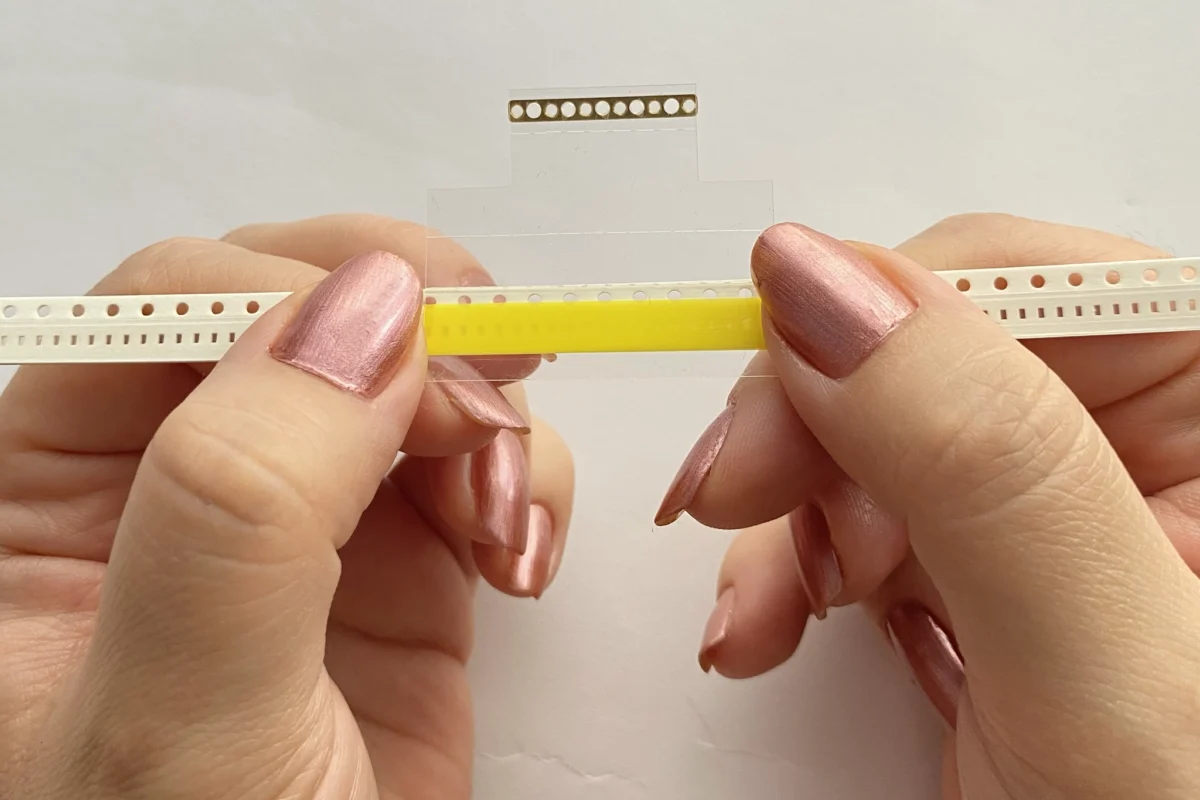
Single splice shims are precision metal alignment components used during SMT carrier tape splicing to maintain sprocket hole pitch, tape stability, and feeder indexing accuracy at the splice joint.

They are installed between two carrier tape ends during a splice to mechanically reinforce the connection and preserve feeder compatibility.

Expanded Technical Definition

Single splice shims function as mechanical interfaces between SMT carrier tape and feeder sprocket systems. Their primary role is to ensure uninterrupted tape advancement by maintaining consistent geometry across a splice point, where stiffness and alignment are most vulnerable to variation.

Because SMT feeders rely on fixed mechanical tolerances, splice shims must be manufactured to precise dimensional standards to avoid indexing errors and feeder disruptions.

Smt Splice Tape Usage and How It Works

How Single Splice Shims Work

  • Positioned at the splice joint between two carrier tape segments
  • Align with feeder sprocket holes at a 4.00 mm pitch
  • Reinforce tape geometry at the transition point
  • Prevent localized pitch distortion during indexing
  • Support continuous feeding during reel changeover

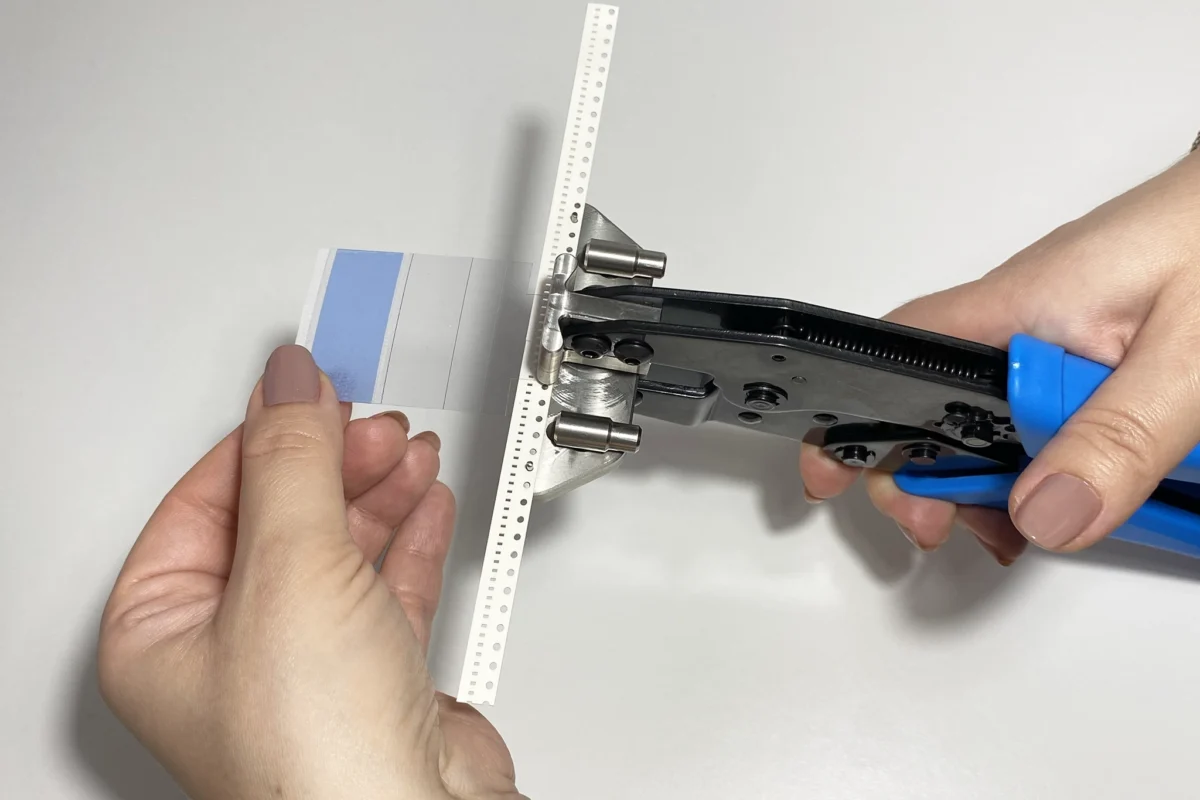
They are typically installed using mechanical tape splicing tools with alignment pins and controlled crimping mechanisms.

Smt Splice Tape Matters

Why Single Splice Shims Matter in SMT Assembly

At the splice point, carrier tape experiences:

  • A change in stiffness
  • Increased mechanical stress
  • Direct interaction with feeder sprockets and cutters

Single splice shims compensate for these conditions by stabilizing the tape and preserving sprocket alignment, reducing the risk of feeder jams, mispicks, and placement errors.

Sims Manufacturing

Manufacturing Methods and Their Impact

Single splice shims are produced using different manufacturing processes, including:

  • Precision die cutting
  • Progressive stamping
  • Punch or shear-based cutting

Only precision die cutting consistently controls:

  • Hole diameter
  • Hole center-to-center spacing
  • Edge geometry
  • Burr formation
  • Flatness

Lower-precision methods commonly introduce dimensional variation that affects feeder performance.

Material Composition Considerations

Single splice shims are commonly manufactured from:

  • Brass alloys
  • Stainless steel
  • Copper or copper-alloy stock

Material choice affects hardness, deformation behavior, and interaction with hardened feeder components.

  • Controlled brass alloys provide predictable mechanical behavior when properly die cut
  • Copper-based materials may deform or abrade feeder components if alloy control or edge quality is poor

Material composition must be evaluated alongside manufacturing accuracy.

Edge Geometry and Feeder Interaction

Edge and hole geometry are functionally critical, not cosmetic.

Poor edge quality can result in:

  • Increased friction during tape advancement
  • Abrasive contact with sprocket teeth
  • Cutter blade wear
  • Tape skew or drag at the splice point

Rounded, clean edges reduce mechanical resistance and improve feeder longevity.

Dimensional Sensitivity

SMT feeders tolerate minimal deviation in:

  • Sprocket hole diameter
  • Hole pitch
  • Shim flatness

Even small dimensional variations at the splice point can propagate into:

  • Feeder misindexing
  • Component mispicks
  • Placement offsets
  • Increased corrective stops

Because the splice point already represents a geometric transition, errors are amplified at this location.

Long-Term Equipment Effects

Poorly manufactured splice shims typically contribute to:

  • Progressive sprocket wear
  • Increased cutter blade dulling
  • Feeder recalibration frequency
  • Reduced feeder service life

These effects accumulate over time and are often misattributed to feeder age or maintenance issues.

Common Misconceptions

  • Single splice shims are not interchangeable consumables
  • Visual similarity does not indicate dimensional equivalence
  • Adhesive strength alone does not determine splice performance
  • Material softness does not compensate for poor edge geometry

Applicable Standards

  • ANSI/EIA-481-C — Carrier tape and sprocket hole specifications
  • 4.00 mm feeder sprocket pitch systems
  • SMT feeder mechanical indexing requirements

Components used at splice points must maintain compliance with these dimensional frameworks.

Summary

Single splice shims are precision mechanical alignment components used in SMT carrier tape splicing to maintain sprocket pitch, feeder indexing accuracy, and tape stability at splice points. Their performance depends on manufacturing method, tooling accuracy, material composition, and edge geometry. Small dimensional variations at the splice point can cause feeder mispicks, jams, and long-term equipment wear.