
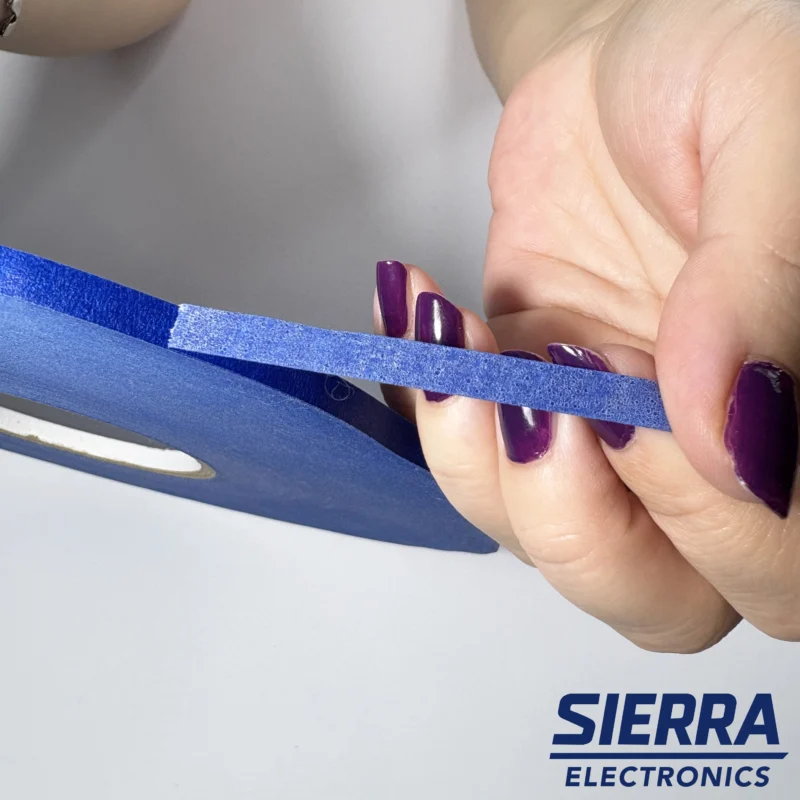
In the high-speed world of Surface Mount Technology (SMT), every second of downtime counts. Whether you are running a high-volume assembly line or managing complex prototyping, the way you handle component reels can be the difference between a seamless shift and a costly bottleneck.
One of the most overlooked yet essential tools in the modern electronics manufacturing toolkit is Bandoliering tape. Specifically, the high-performance Bandoliering tape from Sierra Electronics TapeSplice has become a benchmark for reliability. In this article, we’ll explore what this tape is, why it’s critical for your SMT line, and how it outperforms standard adhesive solutions.
Bandoliering tape (sometimes referred to as sequencing tape) is a specialized adhesive solution used to secure electronic components during the tape-and-reel packaging process. In SMT assembly, it is vital for holding components firmly in place within carrier tapes, ensuring they do not shift, bounce, or misalign during high-speed pick-and-place operations.
While many shops attempt to use standard Kapton or office tapes for these tasks, true Bandoliering tape is engineered with specific tensile strengths and adhesive properties designed to survive the rigors of an automated factory floor.
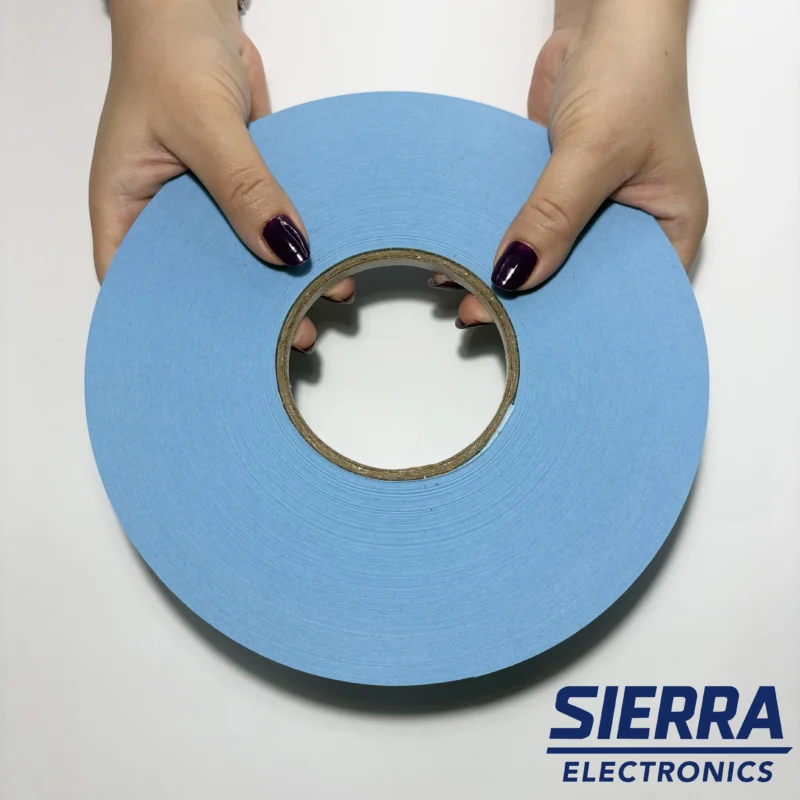
Securing Partial Reels: When a job finishes with components remaining, Bandoliering tape is the preferred method for securing the leading edge of the carrier tape for safe storage.
Component Sequencing: For through-hole or specialized SMT components requiring strict order, Bandoliering tape maintains alignment and sequence integrity.
Reel-to-Reel Transfers: During splicing operations, dedicated Bandoliering tape ensures smooth, jam-free transitions between old and new reels.
Cutting costs on off-the-shelf tapes may seem appealing, but a single feeder jam or misfed component can cost hundreds of dollars in lost throughput and labor. Investing in professional-grade Bandoliering tape functions as uptime insurance for your SMT line.
If you are serious about optimizing electronics manufacturing performance, start with the fundamentals. High-quality Bandoliering tape from Sierra Electronics TapeSplice keeps components secure, feeders clean, and production lines running without interruption.
Ready to upgrade your SMT supplies? Explore the full range of SMT Bandoliering Tapes at TapeSplice.com and experience the difference that USA-made precision delivers.