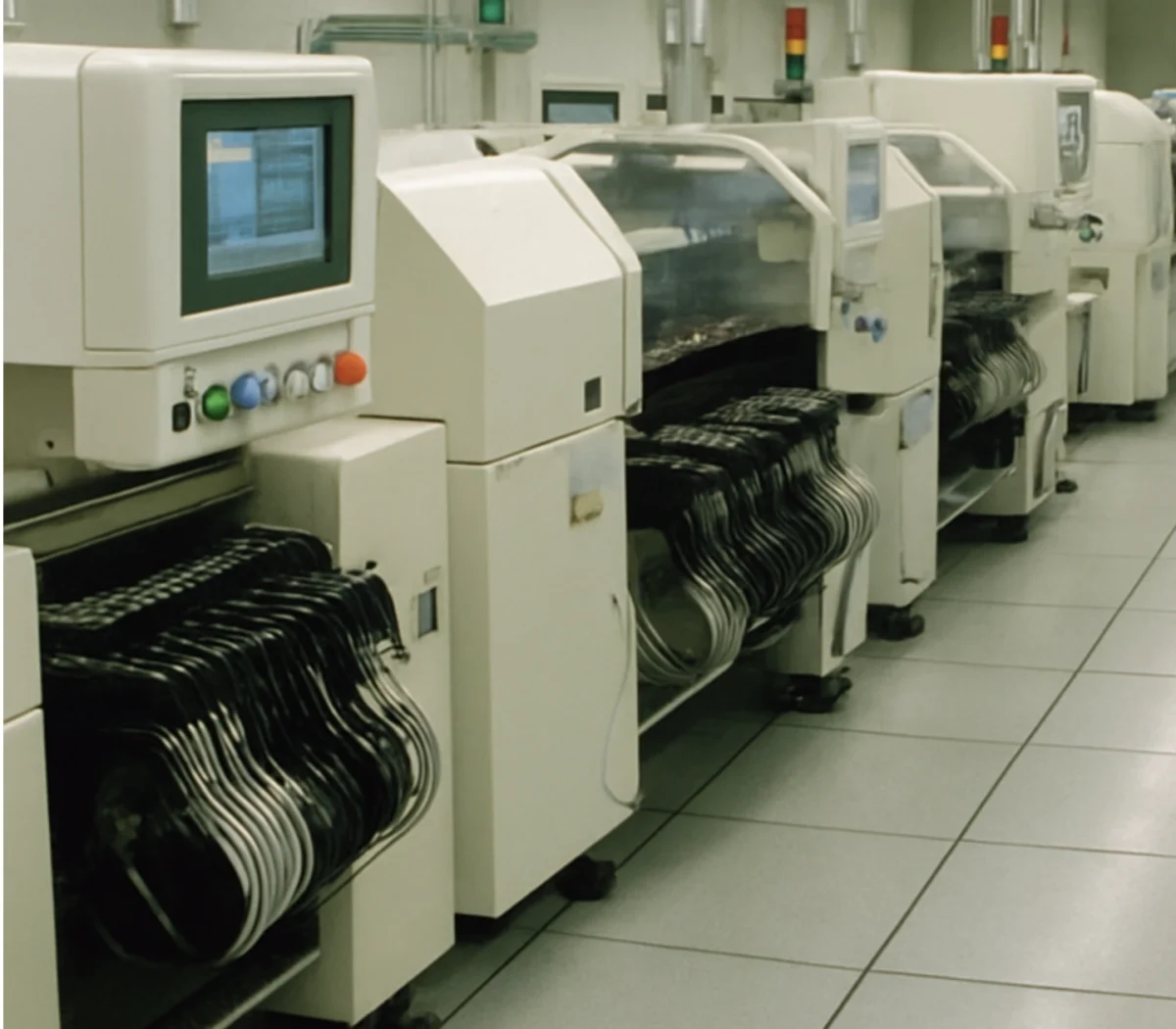
Surface Mount Technology (SMT) has revolutionized the electronics manufacturing industry, offering increased efficiency and reduced component sizes. This advancement has enabled manufacturers to produce smaller, more powerful electronic devices. However, maintaining high productivity and minimizing downtime remains a significant challenge in this fast-paced environment. SMT splice tape plays a crucial role in ensuring continuous production and optimal equipment effectiveness (OEE). This guide will explore the different types of SMT splice tape, their applications, and best practices to maximize SMT manufacturing uptime. By understanding these elements, manufacturers can enhance their process control and reduce operational inefficiencies.
SMT splice tape is essential for joining the ends of component carrier tapes to allow uninterrupted feeding into the SMT machines. This seamless feeding is critical to maintaining high-speed production lines without interruptions. Proper use of splice tape can reduce feeder downtime costs and improve throughput, which is vital in the competitive electronics market. There are several types of SMT splice tapes, each designed for specific applications and preferences. Understanding the nuances of each type can help manufacturers select the best tape for their specific needs, optimizing both cost and performance.
Types of SMT Splice Tape
Shimmed vs. Shimless Splice Tape
Shimmed Splice Tape: This type includes a metal shim that helps align the tapes, ensuring accurate feeding. It is generally used for more critical applications where precision is paramount. The shim provides additional stability and alignment, reducing the likelihood of misfeeds and ensuring consistent quality.
Shimless Splice Tape: Lacks a metal shim, offering a cost-effective solution for less demanding applications where slight misalignments are acceptable. This type is ideal for less critical processes where cost savings are a priority over precision.
Adhesive Splice Tape
This type utilizes strong adhesive to hold the tapes together securely. It is crucial to select the right adhesive to prevent peel-off during operation, as this could lead to production halts and increased wastage. Adhesive splice tapes are versatile and can be used in a variety of applications, making them a popular choice among manufacturers.
Cover Tape Extender
Used to extend the cover tape, ensuring that components are securely held during splicing. This is particularly important in high-speed environments where any loosening of components can lead to significant downtime. The cover tape extender ensures that the components remain in place throughout the splicing process, maintaining the integrity of the production line.
SMT Splice Tape Width Tolerance
Selecting splice tape with the correct width tolerance is critical to prevent skewing and ensure proper alignment with the feeder. An incorrect width can lead to misfeeds, increasing changeover time and component wastage, both of which negatively impact productivity. By choosing the right width, manufacturers can maintain a smooth production flow and reduce the risk of errors, thereby enhancing overall efficiency.
Applications of SMT Splice Tape
SMT splice tape is widely used in various applications to maintain production efficiency. Its role extends beyond simple splicing, contributing to the overall success of the manufacturing process:
- SMT OEE Calculation: By reducing feeder downtime and maintaining continuous operation, splice tape contributes to higher OEE. This metric is crucial as it combines availability, performance, and quality to provide a comprehensive view of production efficiency.
- SMT Process Control: Ensures consistent quality and reliability in the manufacturing process. Splice tape helps maintain the integrity of the production line, reducing the likelihood of defects and ensuring that finished products meet quality standards.
- SMT Splice Failure Analysis: Helps identify and rectify issues to minimize errors and maintain line uptime. Regular analysis of splice failures can lead to improvements in the splicing process, reducing future errors and enhancing overall productivity.
Best Practices for Using SMT Splice Tape
Ensuring Proper SMT Jig Alignment: Proper jig alignment is crucial for accurate splicing. Misaligned jigs can cause splice errors, leading to increased downtime and decreased throughput. Regular jig maintenance and alignment checks are recommended to prevent these issues. By ensuring that jigs are correctly aligned, manufacturers can maintain a consistent production flow and minimize the risk of costly errors.
Preventing SMT Skew: Skew prevention is essential to maintain the accuracy and reliability of the SMT process. Proper handling and alignment of splice tapes can reduce skewing issues, which can lead to misfeeds and production halts. Implementing a robust SMT splicing control system can further enhance accuracy, ensuring that the splice tapes are correctly aligned and that the production line operates smoothly.
Preventing SMT Roller Contamination: Roller contamination can lead to splice failures and increased downtime. Regular cleaning of SMT jigs and rollers is essential to prevent contamination and ensure smooth operation. Contaminated rollers can cause splice tapes to misalign, leading to errors and increased wastage. By maintaining clean rollers, manufacturers can reduce the likelihood of these issues and maintain high levels of productivity.
SMT Feeder Tension and Splice Tool Crimp: Ensuring appropriate feeder tension and using the correct splice tool crimp settings are vital for reliable splicing. Incorrect tension or crimping can lead to splice failures and increased component wastage. By carefully calibrating these elements, manufacturers can reduce the risk of errors and ensure that the splice tapes are applied correctly, maintaining the integrity of the production line.
Training and Splicing Control: Investing in comprehensive splicing training for operators can significantly reduce splice errors and improve line uptime. Well-trained operators are more adept at identifying and correcting issues, leading to smoother operations. Implementing a splicing control system can further enhance consistency and reliability, providing operators with the tools they need to maintain high levels of performance.
SMT Splice Tape Performance and Reliability
SMT Splice Shear Test
Conducting regular shear tests can help assess the strength and reliability of splice joints. This information is crucial for preventing splice failures and ensuring consistent performance. Regular testing allows manufacturers to identify weaknesses in the splicing process and make necessary adjustments, reducing the risk of costly downtime.
SMT Splice Joint Reliability: Ensuring reliable splice joints is essential for maintaining continuous production and preventing unexpected downtime. Proper selection of splice tape and adherence to best practices can enhance joint reliability. By focusing on these elements, manufacturers can maintain high levels of productivity and reduce the risk of production interruptions.
SMT Splice ROI: Investing in quality splice tape and training can yield a high return on investment by reducing downtime, improving throughput, and protecting revenue. While there may be initial costs associated with these investments, the long-term benefits can be substantial, leading to improved efficiency and profitability.
Common Challenges and Solutions
SMT Splice Errors and Failure Costs: Splice errors can lead to significant failure costs and reduced production efficiency. Regular analysis and corrective actions can help minimize errors and associated costs. By identifying the root causes of splice errors and implementing targeted solutions, manufacturers can reduce the impact of these issues and maintain high levels of productivity.
SMT Feeder Maintenance and MTBF: Regular maintenance of SMT feeders and monitoring of Mean Time Between Failures (MTBF) can help identify issues before they lead to significant downtime. Implementing a proactive maintenance schedule is recommended to keep equipment in optimal condition. By focusing on preventative maintenance, manufacturers can reduce the likelihood of unexpected breakdowns and maintain smooth operations.
SMT Component Wastage and AOI Error Prevention: Minimizing component wastage and preventing Automated Optical Inspection (AOI) errors are crucial for maintaining profitability. Proper splicing techniques and regular equipment calibration can help achieve these goals. By focusing on precision and accuracy, manufacturers can reduce the risk of errors and maintain high levels of quality, ensuring that finished products meet customer expectations.
Conclusion
SMT splice tape is a vital component in modern electronics manufacturing, ensuring continuous production and optimal efficiency. By understanding the different types of splice tape, their applications, and best practices, manufacturers can enhance their SMT process control, reduce downtime, and maximize OEE. Investing in quality splice tape and comprehensive training can lead to significant improvements in line uptime and overall production performance. These efforts not only improve operational efficiency but also contribute to a more sustainable and profitable manufacturing process.