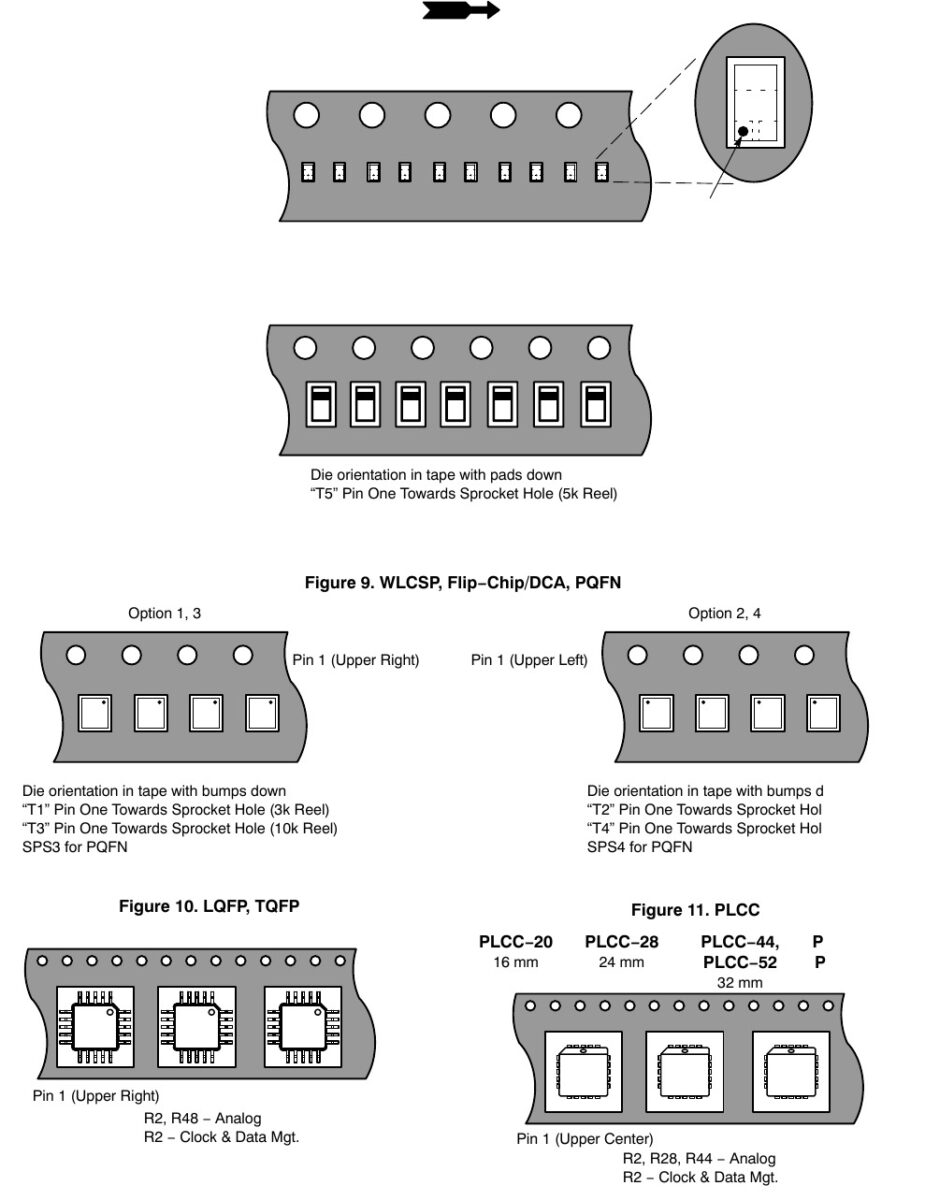
When engineers talk about SMT carrier tape in 2026, the conversation usually centers on speed, tolerance, and automation. Feeder accuracy. Peel forces. Indexing at 40,000 components per hour (CPH).
What’s almost never mentioned is this:
A key part of modern SMT packaging traces its mechanical DNA back to Hollywood.
Long before EIA-481 existed, the electronics industry borrowed its earliest ideas for automated indexing from the motion picture film industry.
Decades before surface-mount technology scaled into mass production, the film industry had already solved a hard problem:
How do you move delicate, discrete frames through a machine at constant speed, with exact positional repeatability, without tearing or drifting?
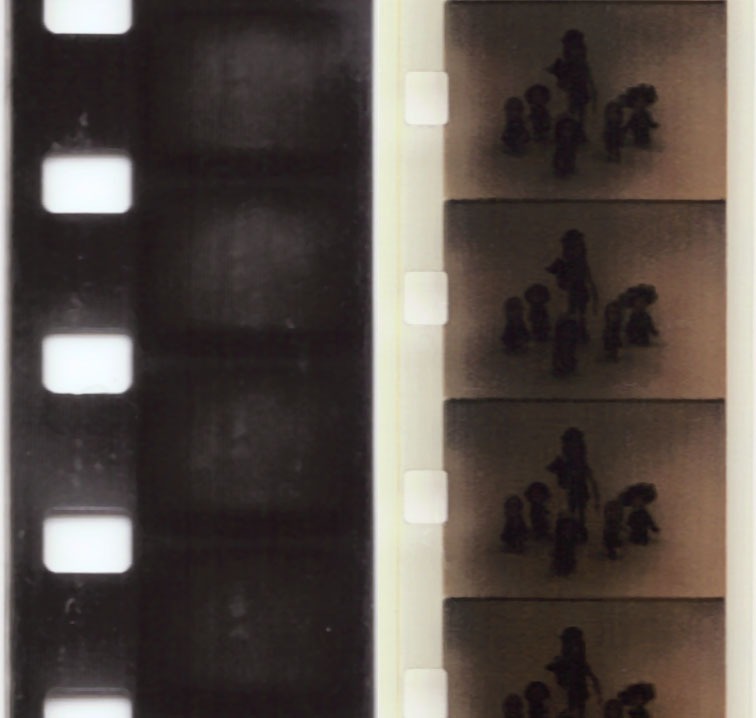
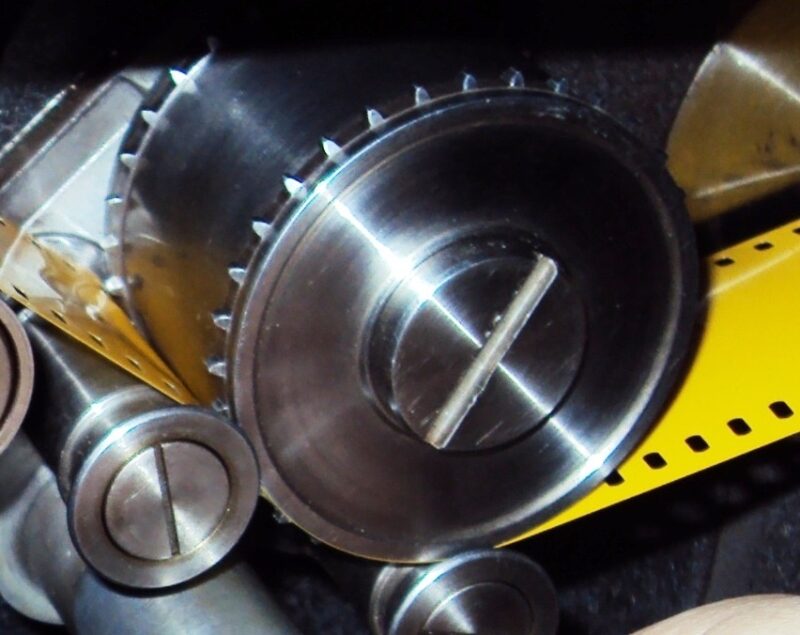
Movie film answered this with sprocket-driven indexing.
Rectangular and square sprocket holes along film edges allowed cameras and projectors to advance frames with mechanical certainty. Every frame arrived exactly where it was expected—no vision systems, no feedback loops. Just physics.
Early electronics packaging engineers noticed.
 As integrated circuits began moving into higher volumes, pioneers like Texas Instruments faced a new challenge:
how to reliably feed thousands, then millions, of identical components into automated assembly.
One of the first true consumer-scale proofs of this approach appeared with products like Furby, one of the earliest high-volume toys built around a dedicated IC. Manufacturing volumes demanded repeatability that manual placement couldn’t provide.
The solution borrowed heavily from film:
Early SMD carrier tapes experimented with square and rectangular sprocket holes, mirroring movie film geometry. It worked—up to a point.
Film sprockets were designed for steady motion and moderate speeds. SMT feeders would eventually demand something far more aggressive:
Square and rectangular holes introduced stress risers and inconsistent engagement at higher speeds. As placement rates increased, mechanical wear and indexing error followed.
The industry needed refinement.