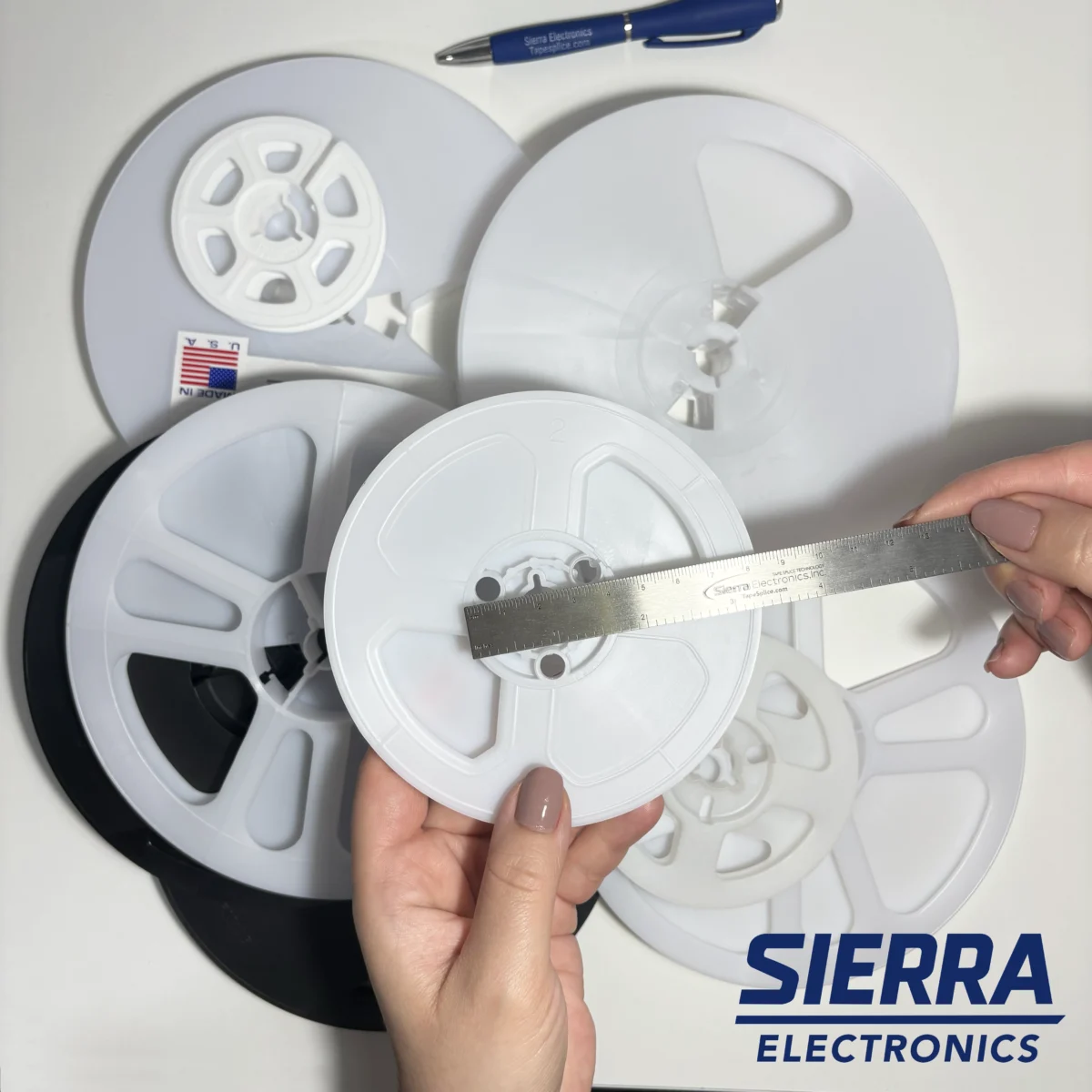
Surface-mount technology (SMT) tape splicing is a critical process used in modern electronics manufacturing to maintain uninterrupted component feeding during active production. Although often treated as a consumable task, tape splicing directly affects feeder reliability, placement accuracy, line uptime, and overall equipment effectiveness (OEE).
In 2026-era SMT environments, tape splicing is no longer a secondary activity. It is a process control function that influences mechanical stability, feeder dynamics, and yield across kitting, prototype, and full-scale production operations.
1. Definition: What Is SMT Tape Splicing
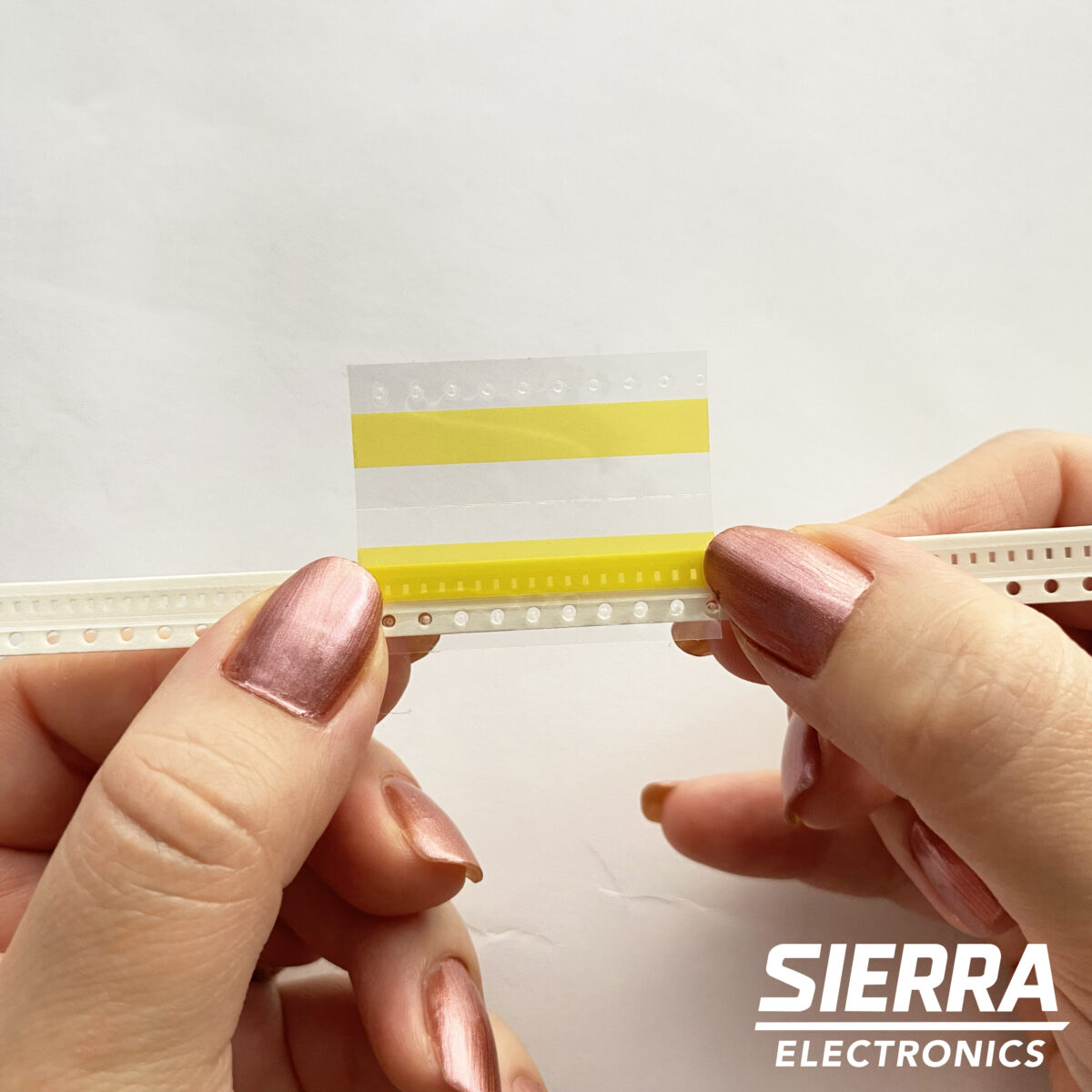
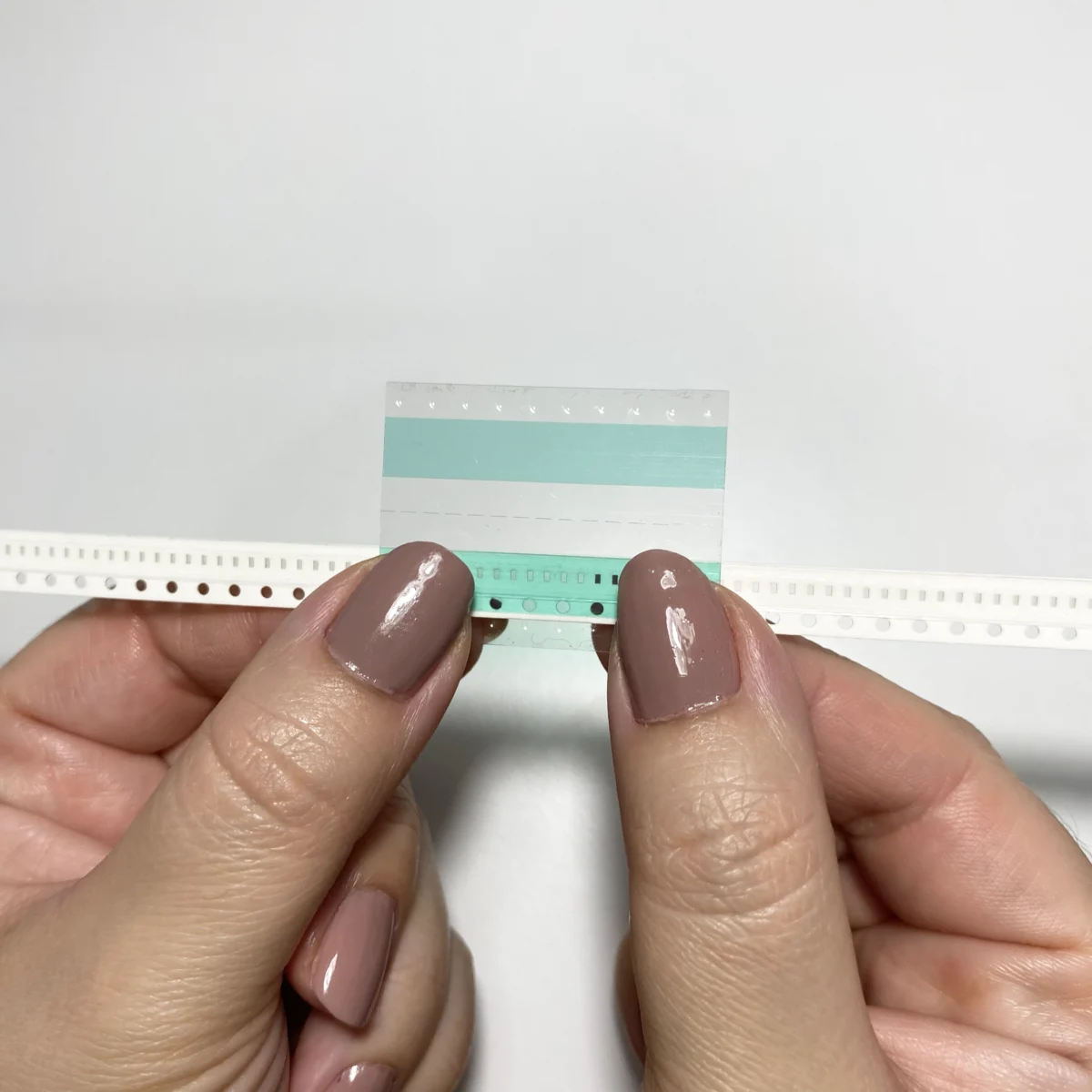
SMT tape splicing is the controlled joining of the trailing end of one component carrier tape to the leading end of another so components can continue feeding into a pick-and-place machine without stopping the line.
A correct splice must:
- Maintain pocket-to-pocket alignment
- Preserve carrier tape geometry
- Withstand continuous mechanical loading
- Survive feeder acceleration cycles
- Avoid misfeeds, jams, or sensor errors
Modern splicing is performed while the placement machine is running at full speed, not during scheduled downtime.
2. Why SMT Tape Splicing Exists
Pick-and-place machines rely on continuous component presentation. Stopping the machine to replace reels introduces:
- Immediate production downtime
- Feeder wear from removal and reinsertion
- Loss of positional calibration
- Increased operator intervention
- Yield degradation and rework
Splicing allows reel changeover on the fly, preserving production continuity and protecting feeder hardware.
3. Evolution of SMT Tape Splicing
Early SMT Operations
- Reel changes required machine stoppage
- Feeders were manually removed
- Splicing was rare and non-standardized
- Downtime was accepted as unavoidable
Modern SMT Operations
- Continuous placement at full speed
- 200–400 feeders per machine
- Operators manage multiple lines simultaneously
- Splicing is integrated into standard work instructions
Splicing is now a core operational discipline, not an accessory.
4. Mechanical Forces Acting on an SMT Splice
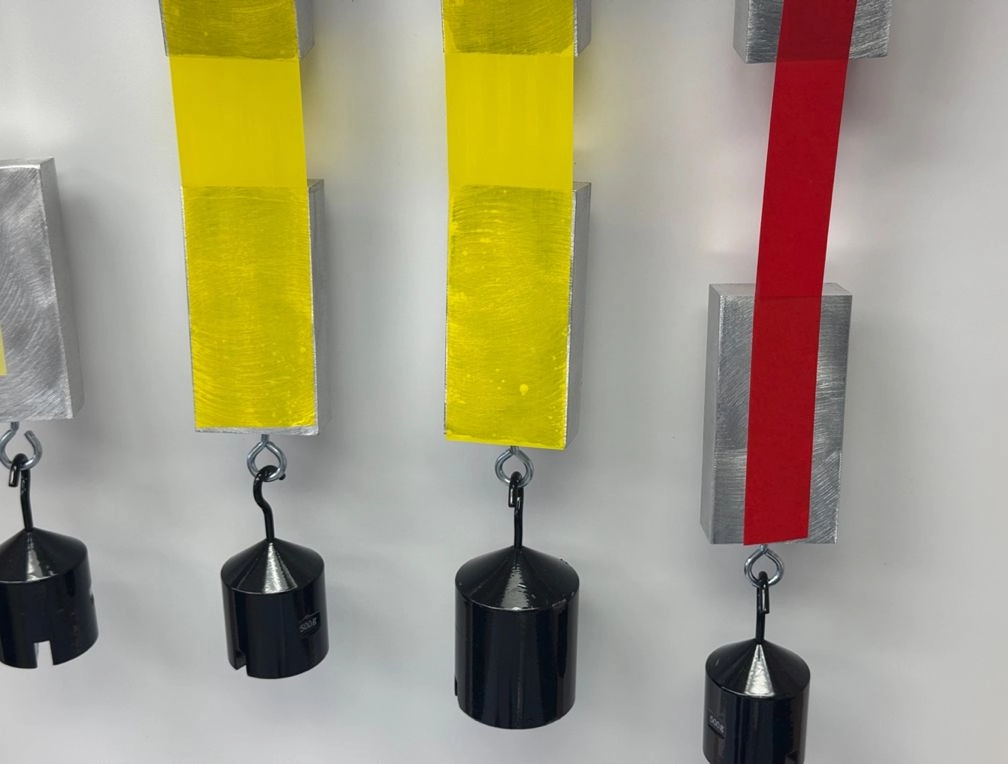
A common misconception is that splice tape performance is governed by peel strength. In practice, peel forces are negligible during normal operation.
Dominant Forces
| Force Type | Description | Effect on Splice |
|---|
| Sustained shear | Constant pull from feeder motor | Adhesive creep |
| Acceleration spikes | Rapid start-stop cycles | Load amplification |
| Dynamic tension | Reel mass variation | Pocket distortion |
| Time-dependent creep | Long dwell under load | Alignment drift |
5. SMT Tape Splicing Across Manufacturing Stages
SMT splicing is applied differently depending on where it occurs in the manufacturing flow.
6. Kitting Department Splicing
Purpose
Kitting splicing prepares reels before they ever reach the production floor.
Characteristics
- Performed offline
- Lower time pressure
- Emphasis on organization and inventory efficiency
- Often used to consolidate partial reels
Risks
- Inconsistent splice quality if tools are not standardized
- Alignment errors propagated downstream
- Splices forgotten or undocumented
Best Practices
- Use the same splice tapes and tools as production
- Record splice locations on reel labels
- Treat kitting splices as production-critical joints
Kitting splicing sets the baseline for all downstream performance.
7. Prototype and NPI Splicing
Purpose
Prototype and New Product Introduction (NPI) builds require flexibility with small quantities and frequent reel changes.
Characteristics
- Short runs
- High component variation
- Frequent partial reels
- Manual operator involvement
Risks
- Use of improvised or generic tapes
- Misalignment from rushed setups
- Lack of standardized tooling
Best Practices
- Use production-grade splice tapes even in prototypes
- Maintain alignment discipline
- Avoid temporary or “one-time” solutions that mask real issues
Prototype splicing often becomes production splicing later. Poor early practices scale into systemic problems.
8. Production Line Splicing
Purpose
Production splicing supports continuous, high-throughput placement.
Characteristics
- Live splicing at full machine speed
- High feeder counts
- Tight takt times
- Minimal tolerance for error
Risks
- Misfeeds causing line stops
- Sensor faults from thickness variation
- Progressive creep failures
- Feeder jams at splice interface
Best Practices
- Use shear-optimized adhesive systems
- Maintain consistent application pressure
- Ensure pocket-to-pocket alignment
- Standardize splice tooling across lines
In production, a single bad splice can halt hundreds of placements per minute.
9. Feeder Compatibility and Best Practices
Why Feeder Compatibility Matters
Different feeders impose different mechanical demands based on:
- Acceleration profiles
- Tape path geometry
- Sprocket engagement
- Sensor sensitivity
A splice that performs adequately in one feeder may fail in another.
Universal Best Practices
- Align pockets, not edges
- Avoid excessive tape thickness
- Apply uniform pressure
- Control environmental conditions
Feeder-safe splicing requires mechanical consistency, not operator intuition.
10. SMT Splice Tools: Function and Control
Tool Functions
- Maintain alignment
- Control pressure
- Prevent angular skew
- Standardize results across shifts
Tool Design Factors
- Structural rigidity
- Alignment guides
- Repeatability
- Long-term dimensional stability
Tool stiffness is a process parameter, not a convenience feature.
11. Splice Tape Stack-Up and Thickness Control
Splice tape introduces additional layers into the tape path.
Stack-Up Considerations
- Carrier tape thickness
- Adhesive thickness
- Backing film stiffness
- Total splice height
Thickness variation can trigger feeder sensors or alter tape tracking, leading to intermittent faults that are difficult to diagnose.
12. Common SMT Splice Failure Modes
| Failure Mode |
Root Cause |
Impact |
| Delamination |
Poor adhesive wet-out |
Feeder jam |
| Adhesive creep |
Shear-weak formulation |
Pocket drift |
| Pocket distortion |
Excess pressure |
Mispicks |
| Sensor fault |
Thickness inconsistency |
Line stop |
| Progressive misalignment |
Tool flex |
Late-stage failure |
13. Case Studies With Metrics (Representative)
High-Speed Placement Line
| Metric | Before Optimization | After Optimization |
|---|
| Feeder stops per week | 14 | 2 |
| Misfeeds | 1.8% | 0.2% |
| OEE | 82% | 94% |
Multi-Line Contract Manufacturer
| Metric | Generic Tape | Engineered Tape |
|---|
| Average splice lifespan | 2–4 hours | Full reel |
| Rework events | Frequent | Rare |
| Tool replacement | Monthly | Annual |
14. Quality Comparison: Engineered vs Generic Splice Tapes
| Attribute |
Engineered Splice Tape |
Generic Tape |
| Adhesive design |
Shear-optimized |
Peel-optimized |
| Thickness control |
Tight |
Variable |
| Backing material |
Reinforced PET |
Commodity film |
| Alignment reliability |
High |
Inconsistent |
| Long-term stability |
Proven |
Unpredictable |
15. DigiReel and MouseReel in the Splicing Ecosystem
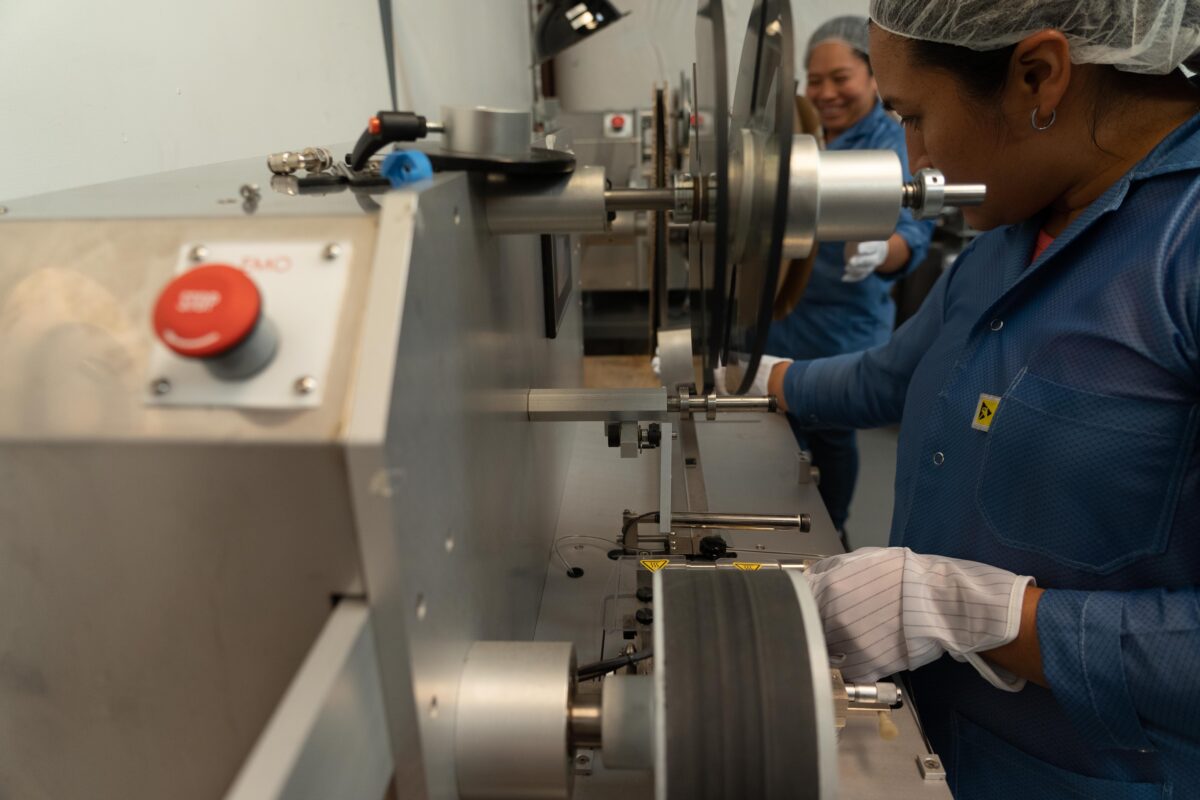
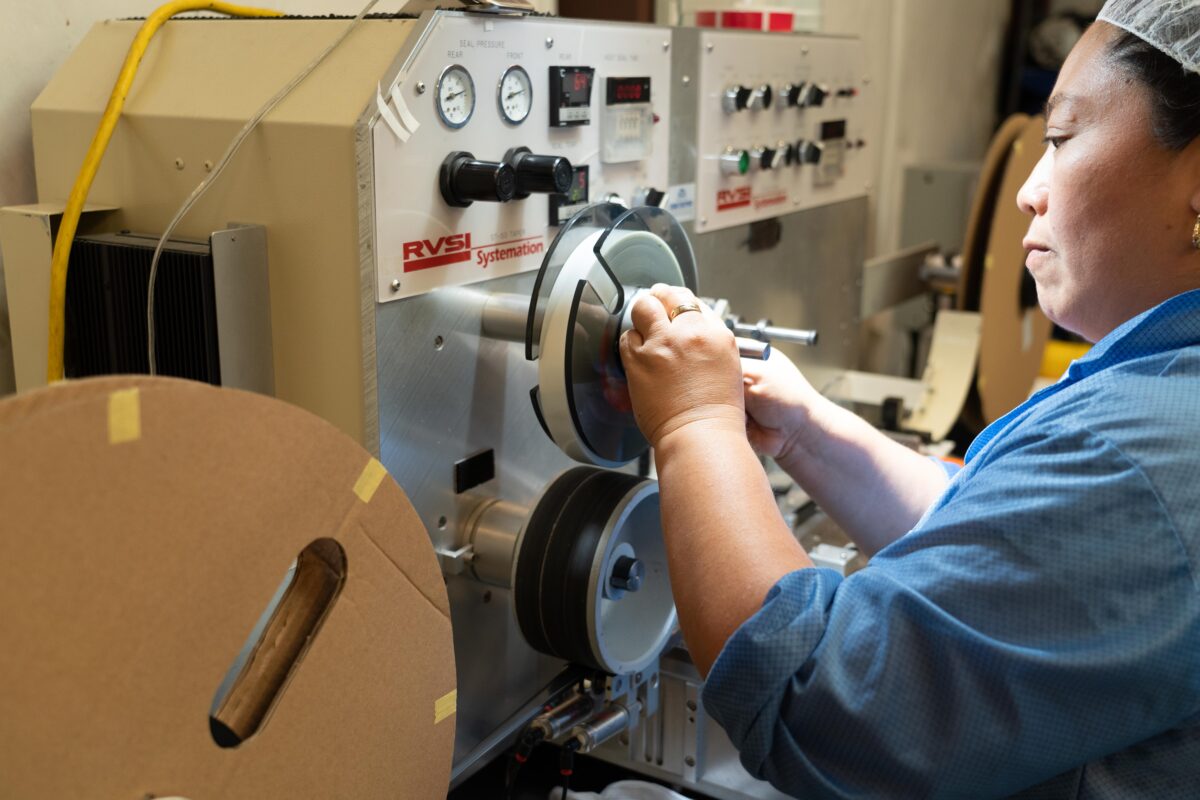
DigiReel and MouseReel provide custom reel and cut-tape services that affect how splicing is implemented downstream.
Key Implications
- Smaller reel quantities increase splice frequency
- Non-standard leader lengths may require extender splicing
- Tape handling quality upstream influences splice reliability downstream
- These services increase flexibility but make splice discipline more important, not less
16. SMT Tape Splicing as a Process Discipline
In modern electronics manufacturing, SMT tape splicing must be treated as:
- A mechanical system element
- A feeder reliability factor
- A contributor to placement accuracy
- A determinant of throughput and OEE
It is not merely a consumable.
17. Summary: Key Takeaways
- SMT tape splicing enables uninterrupted high-speed production
- Shear and acceleration dominate splice mechanics
- Kitting, prototype, and production splicing each have unique risks
- Tool rigidity and alignment consistency are critical
- Engineered splice systems reduce downtime and improve yield
- Generic tapes introduce hidden operational costs
- Custom reel services increase the importance of splice quality