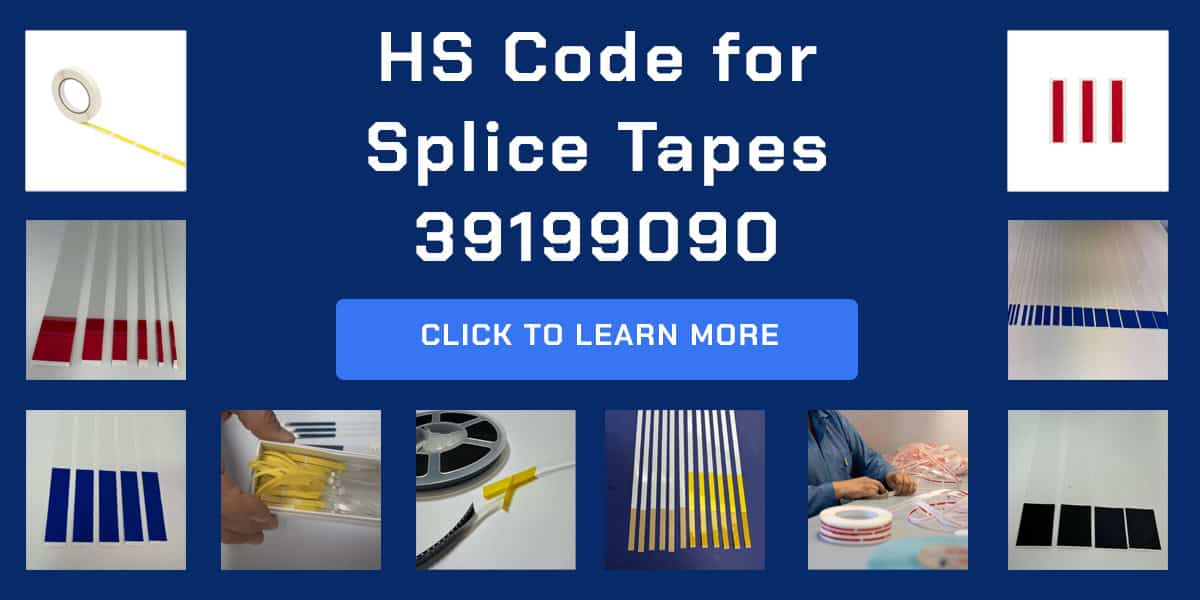
Sierra Electronics engineers all splice shims using precision-punched soft brass that complies with EIA-481 sprocket geometry tolerances. Soft brass protects the two most critical machine interfaces:
- Feeder sprocket wheels
- Pick-and-place cutter blades
Competitors use low-grade copper, which is harder, brittle, and dimensionally unstable. Copper shims:
- Chip and deform, creating burrs
- Accelerate blade wear
- Damage sprocket teeth
- Cause cumulative feeder misalignment
- Increase downtime and RMA events
One copper shim mishandled by the sprocket drive can ripple into full-line stoppage – and OSHA-level risk if a blade breaks.

Soft Brass = Machine Protection
| Factor | Soft Brass (Sierra) | Cheap Copper (Competitors) |
|---|---|---|
| Hardness | Low — protects cutting blades | High — damages blades over time |
| Geometry Stability | Precision-maintained per EIA-481 | Distorts sprocket pitch under load |
| Edge Quality | Smooth & burr-free punching | Rough edges scrape feeders |
| Machine Wear | Near-zero increase | Cumulative damage to feeder mechanics |
| Jam Probability | Extremely low | Significant — particularly at high CPH |
Only Sierra Electronics Manufactures Brass Shims in the USA
All competitor “brands” – Antistat, Splicetronics, KHJ, etc. – import copper shims from the same factories and box them differently. That single supply chain decision causes the majority of splice-related feeder failures seen in:
- Automotive power electronics
- Defense & aerospace PCB programs
- Medical device production
- High-density consumer boards
When uptime matters? Soft brass is the only answer.